

UIII Education for SDGs in Local Communities
Education for SDGs in the wider community · Local community · 2025
Have dedicated outreach educational activities for the wider community, which could include alumni, local residents, displaced people.
Universitas Islam Internasional Indonesia (UIII) brings education for sustainable development into local communities through dedicated outreach with schools, parents, pesantren, and teachers. Its activities connect academic expertise with everyday decisions about consumption, environmental care, literacy, inclusion, and livelihoods. Participants learn through practical workshops, guided discussion, creative production, and learning activities grounded in their own communities.
This overview highlights UIII's dedicated educational outreach programs implemented throughout 2025. School pupils in Depok explored sustainable financial and consumption choices; pesantren communities examined environmental practices; parents developed stories promoting tolerance; santri designed social enterprises; and local teachers practised community-based STEM learning. Together, these activities extend UIII's educational contribution beyond its enrolled students.
School pupils at SMK Bina Taqwa Depok.
Eco-pesantren seminar with PK-Tren Indonesia.
Narratives for Change with Yayasan Litara.
Social entrepreneurship for santri in Madiun–Ponorogo.
Community-based STEM learning with Depok teachers.
Institutional Support for Community Learning
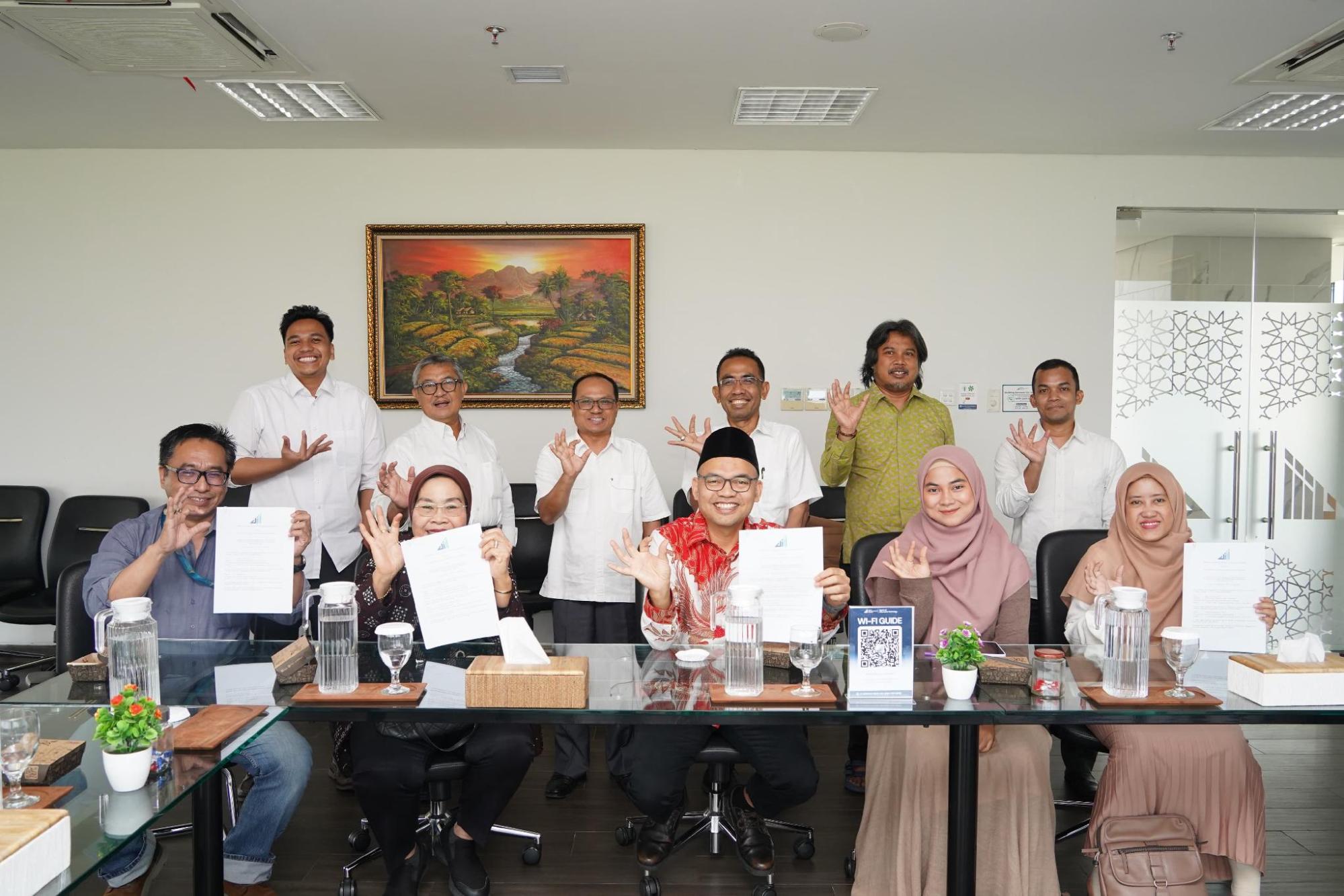
UIII's Directorate of Research and Cooperation initiated a university-wide programme of collaborative community engagement in 2025. Following proposal evaluation, 15 grants were awarded to lecturers, with contract signing on 11 August 2025. University leadership emphasised service to communities and continuing relationships built on mutual trust, communication, and shared benefit.
Rector's Decision No. 62/R/2025, dated 6 August 2025, formally approved the recipients and allocated assistance from UIII's 2025 budget. Four of the initiatives described in this document appear in its annex. Faculties and project teams translated this institutional support into educational activities with community partners. STEM Trails was delivered through the separate Riset Kolaborasi Indonesia partnership.
1. Ecological Finance Psychology for Youth
1.1 Learning sustainable habits in Depok
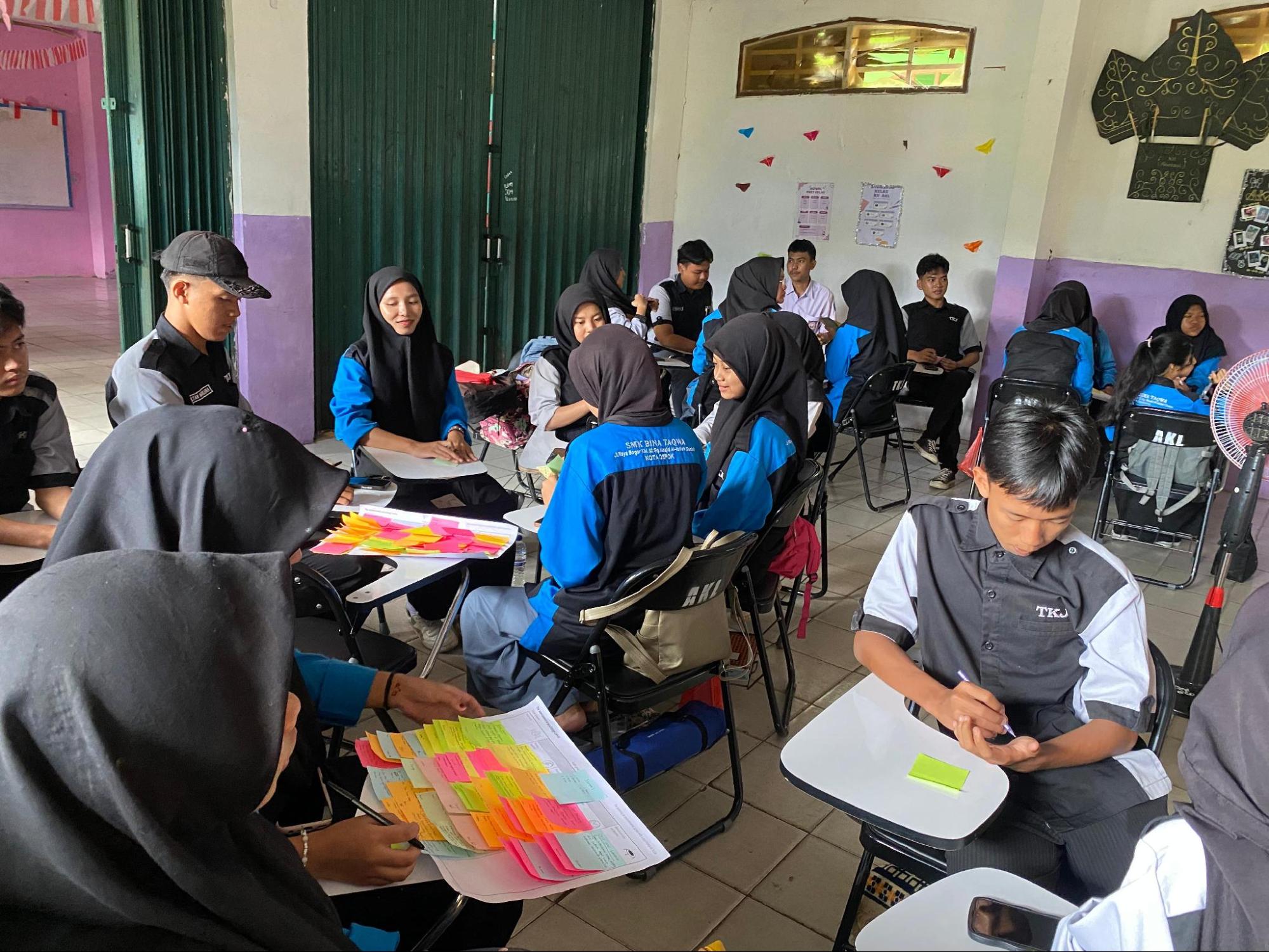
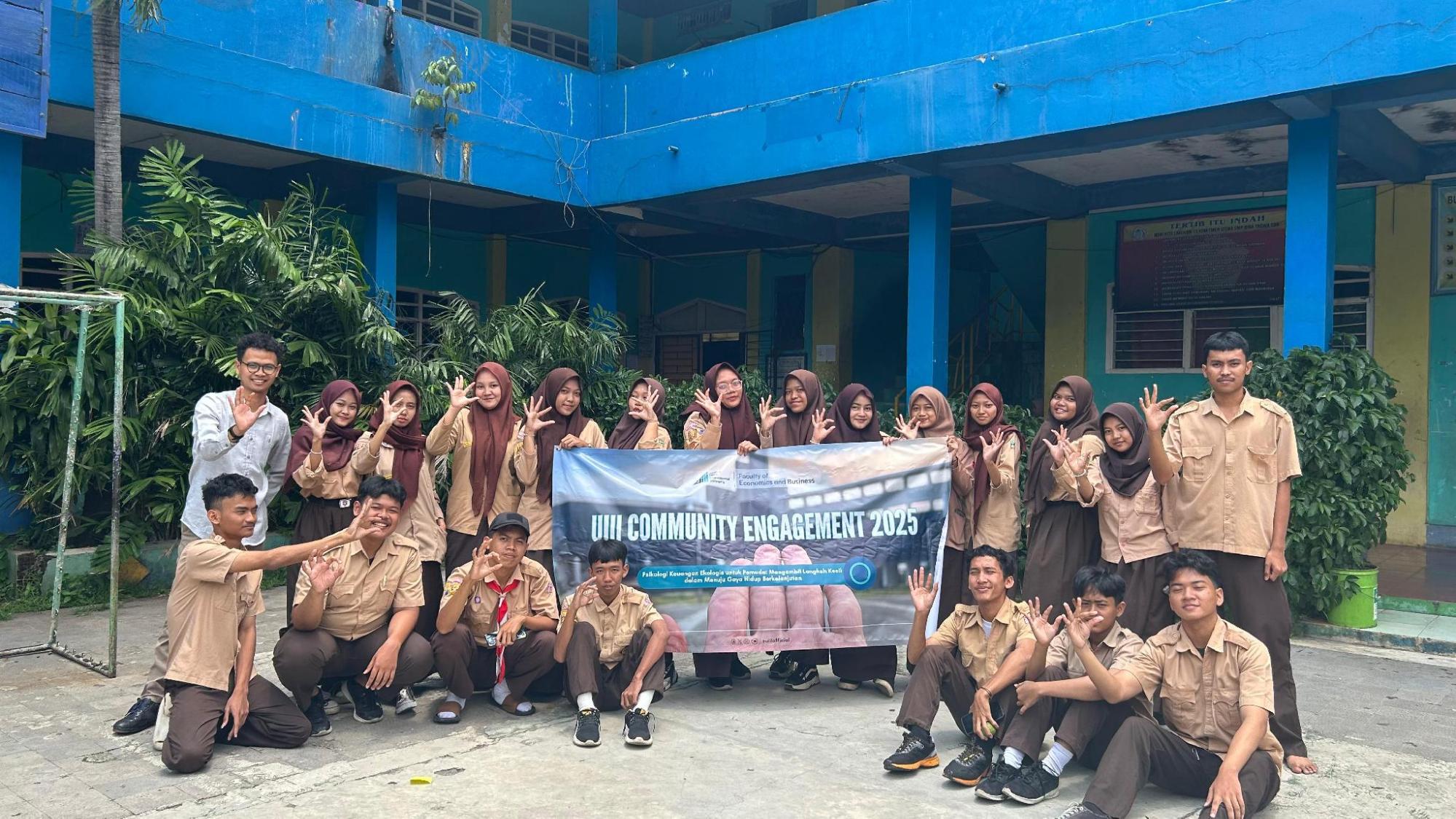
FEB UIII delivered Ecological Finance Psychology for Youth with pupils of SMK Bina Taqwa Depok. Hanafi Sofyan Guciano, Ph.D., led the programme with student participation. Four interactive sessions connected financial literacy, emotions, and environmental responsibility through storytelling, games, discussion, and reflection.
Participants used an Environmental Psychology Canvas to examine consumption patterns and financial decisions. Eco-finance discussions explored how disposable consumption and impulsive spending affect the environment. The activities translated sustainable living into choices that young people can recognise in daily life.
1.2 Learning outcomes and SDG relevance
Participant feedback described increased awareness of financial management and environmentally responsible behaviour. The programme supports SDG 4 Quality Education through community learning, SDG 12 Responsible Consumption and Production through reflection on purchasing habits, and SDG 13 Climate Action through education for sustainable lifestyles.
2. Environmental Education with Pesantren Communities
2.1 From eco-technology to eco-theology
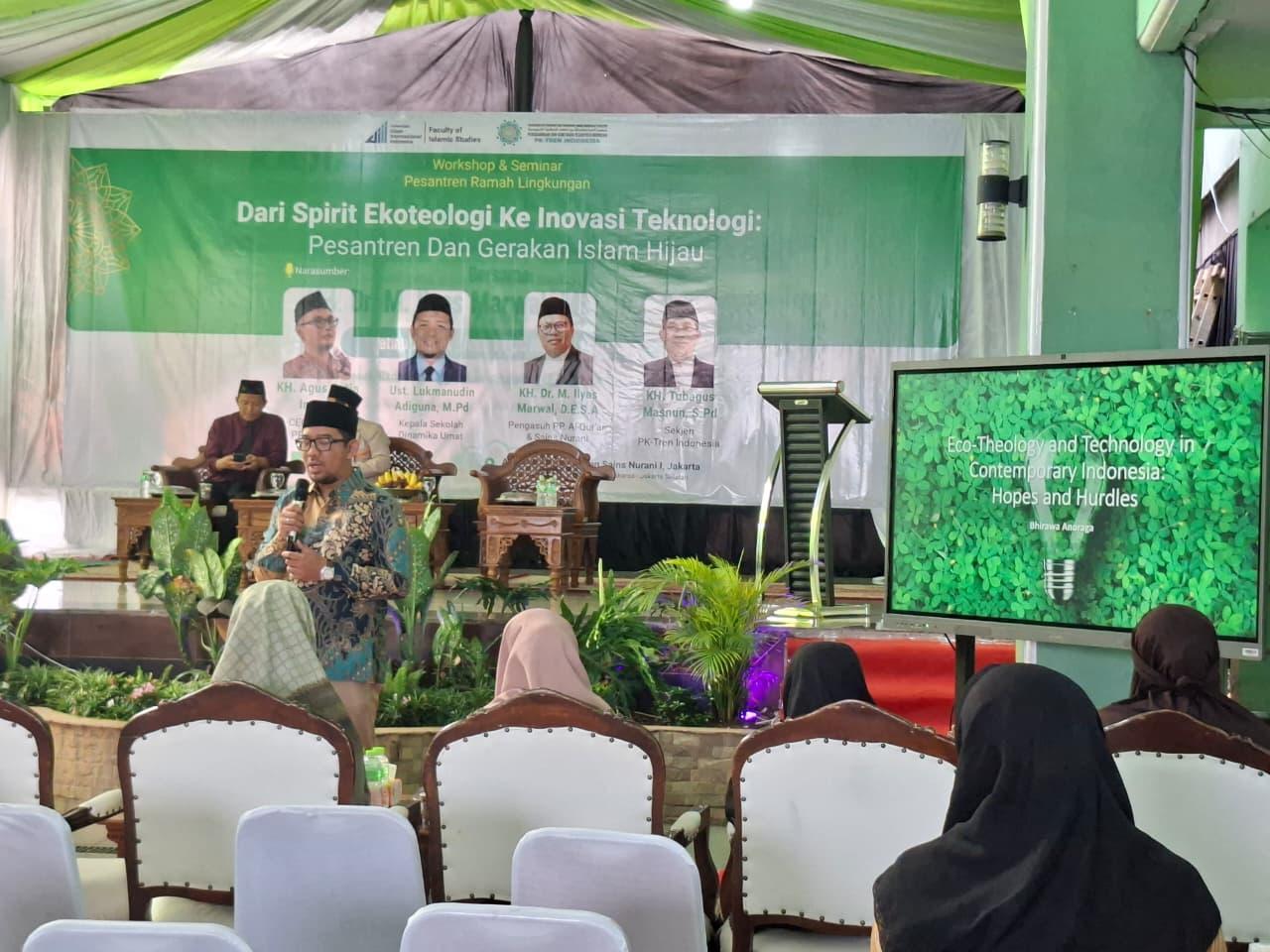
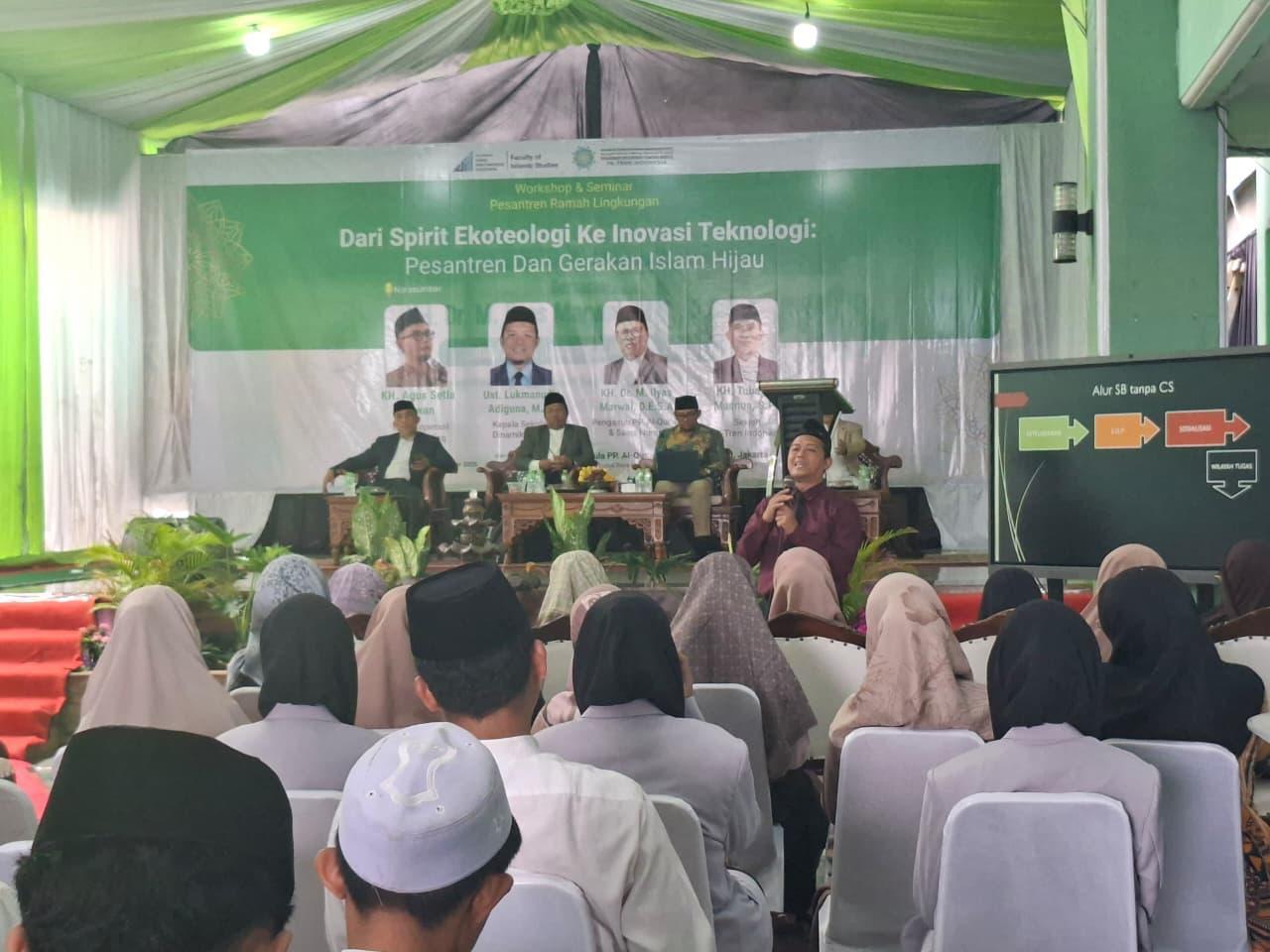
On 6 November 2025, UIII's Faculty of Islamic Studies and Persaudaraan dan Kemitraan Pesantren Indonesia (PK-Tren Indonesia) held an eco-pesantren seminar and workshop at Pondok Pesantren Qur'an dan Sains Nurani in South Jakarta. Led by Dr. Ilyas Marwal, the programme brought environmental education to santri, ustaz, and kiai from surrounding pesantren. Its theme, From Eco-Technology to Eco-Theology: Diverse Innovations in Advancing Green Islam in Indonesian Pesantren, connected practical environmental action with Islamic ethics.
Preparatory visits examined Al-Ittifaq in Ciwidey and Dinamika Umat as learning examples. The team recorded environmental practices and produced a video for the seminar. At the event, this material allowed participants to learn from established models of ecological practice alongside presentations by community educators and UIII academics.
The programme initially targeted 50 participants from eight pesantren and welcomed additional attendees from other institutions. The participating pesantren included PPQS Nurani, Ar-Rofi'i, Al-Mawaddah, An-Nuriyah, Daarul Rahman, Luhur Al-Tsaqafah, Nurul Amanah, Al Fauzan Nusantara, Nurul Ilmi, and Silaturrahim. This local institutional network provided a route for sharing environmental learning across pesantren communities.
2.2 Practical learning and environmental responsibility
Participants learned how environmental stewardship can be integrated into the daily organisation and educational mission of a pesantren. Lukmanuddin Adiguna introduced Dinamika Umat's clean-school model, including role modelling by leaders and teachers, assigned responsibilities, schedules, waste sorting, and monitoring. Ilyas Marwal connected environmental protection with maqasid al-shari'a and the inclusion of fiqh al-bi'a in teaching. Bhirawa Anoraga discussed Green Islam, environmental communication, and the relationship between technology and religious values.
| Learning area | Practice or approach discussed |
|---|---|
| Clean learning environments | Shared cleaning duties, schedules, leadership examples, and monitoring |
| Waste management | Collecting and sorting waste, including recovery of saleable materials |
| Environmental ethics | Responsibility for protecting water, soil, natural resources, and living environments |
| Community learning | Teaching environmental responsibility through the curriculum and daily routines |
Table 2.1. Environmental learning shared with pesantren communities.
2.3 Results and SDG relevance
The seminar generated recommendations to strengthen leadership examples, environmental curricula, and collective action among pesantren. The learning supports SDG 4 Quality Education through environmental teaching, SDG 12 Responsible Consumption and Production through waste-management practices, and SDG 13 Climate Action through awareness and community stewardship. Collaboration with PK-Tren connects these educational aims with SDG 17 Partnerships for the Goals.
3. Parents as Storytellers for Inclusive Communities
3.1 Narratives for Change
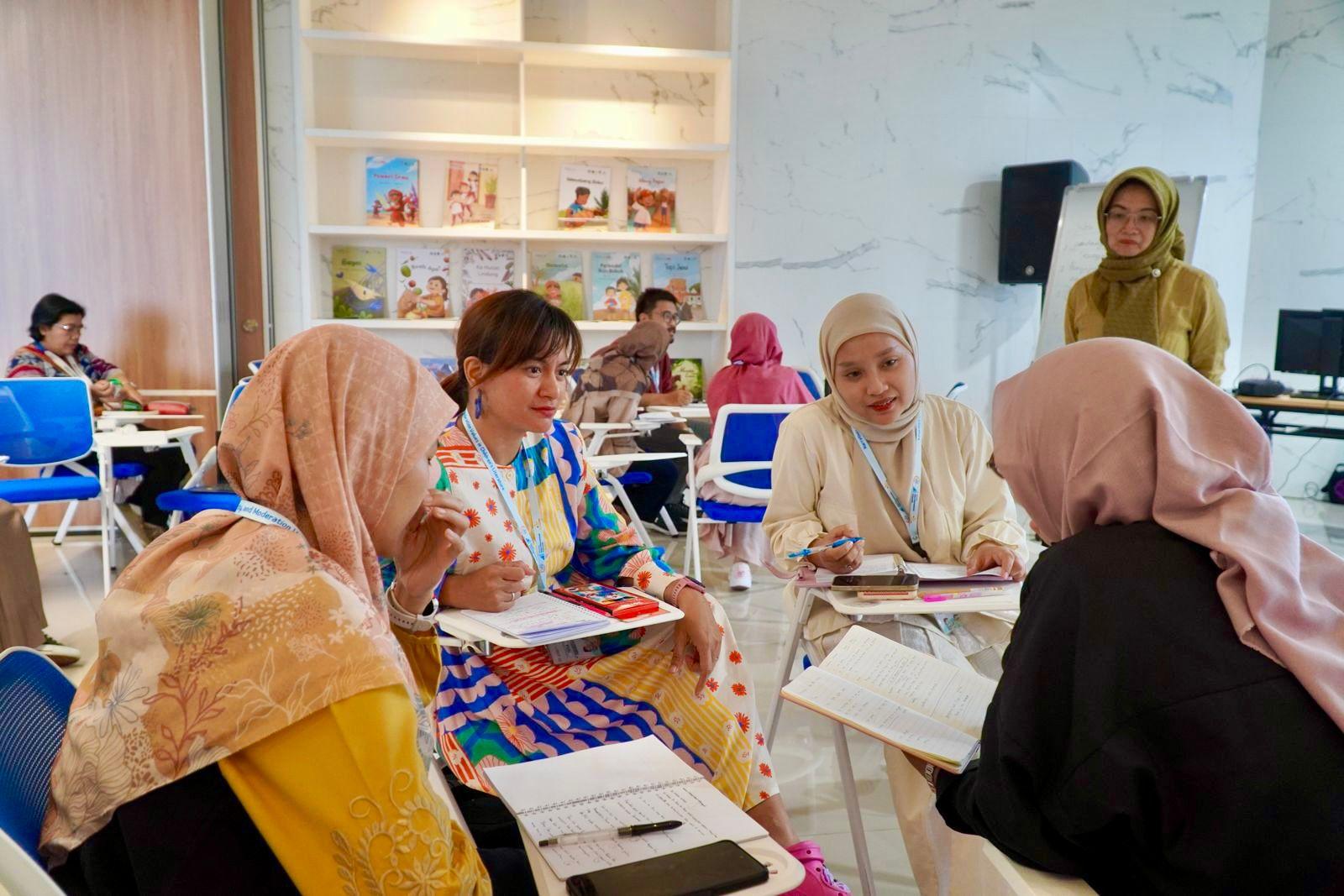
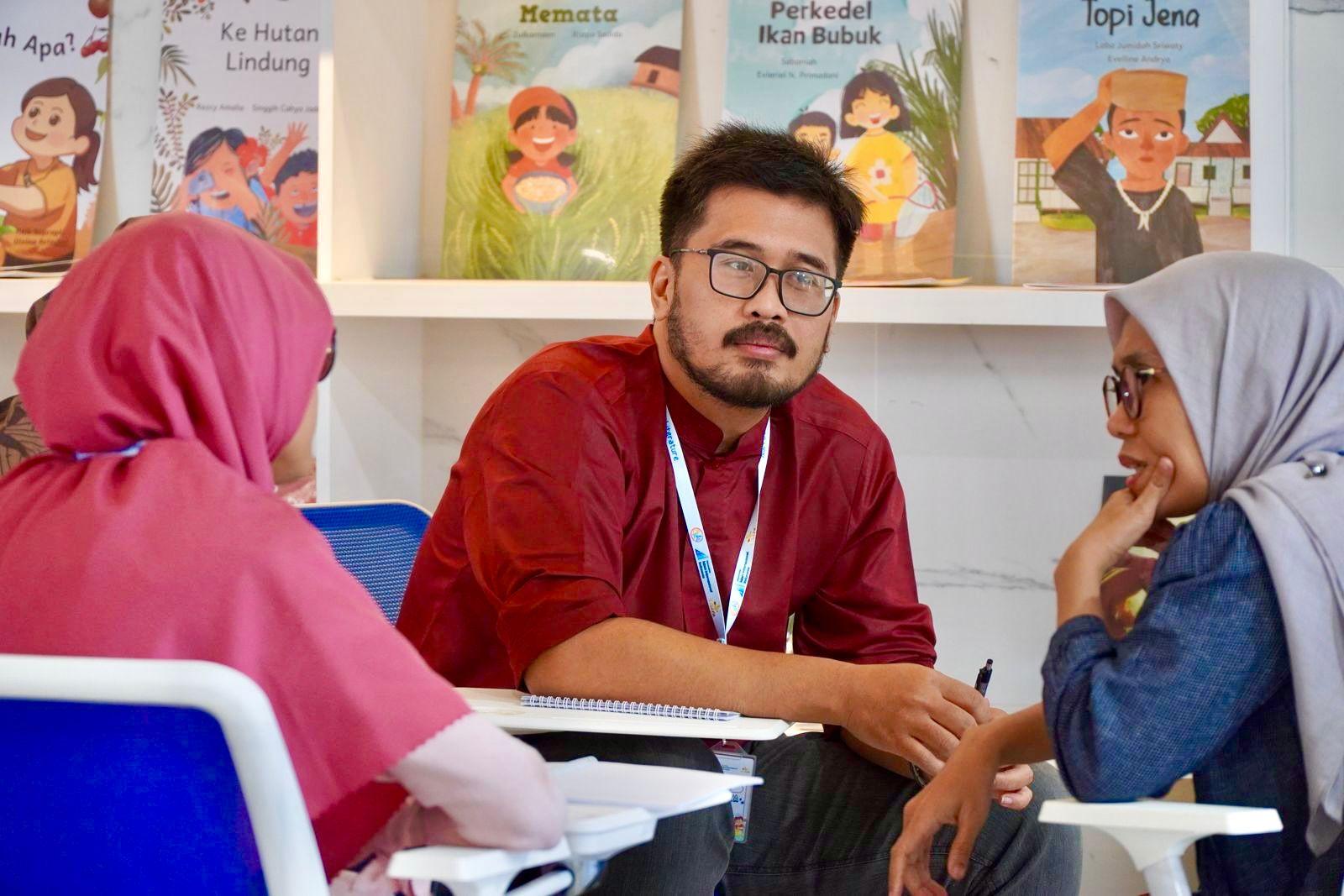
UIII's Faculty of Education and Yayasan Litara organised Narratives for Change, a community writing initiative led by Assoc. Prof. Tati D. Wardi. Ten parents were selected from 72 applicants across Jabodetabek. The programme combined library-based workshops with online mentorship during September–October 2025.
Parents practised creative writing, illustration, story development, and reading aloud. Sofie Dewayani of Litara, illustrator Dewi Tri K., and UIII alumna and literacy practitioner Iin Afriyanti supported the learning. Participants developed picture-book manuscripts addressing tolerance, diversity, and moderation.
3.2 Learning outcomes and SDG relevance
The programme equipped parents to create reading materials and support learning in families and communities. Its relevance to SDG 4 Quality Education lies in literacy skills and inclusive learning; its contribution to SDG 16 Peace, Justice and Strong Institutions lies in teaching respect and coexistence through children's stories.
4. SantriPreneur Academy for Social Entrepreneurship
4.1 Practical learning with pesantren communities
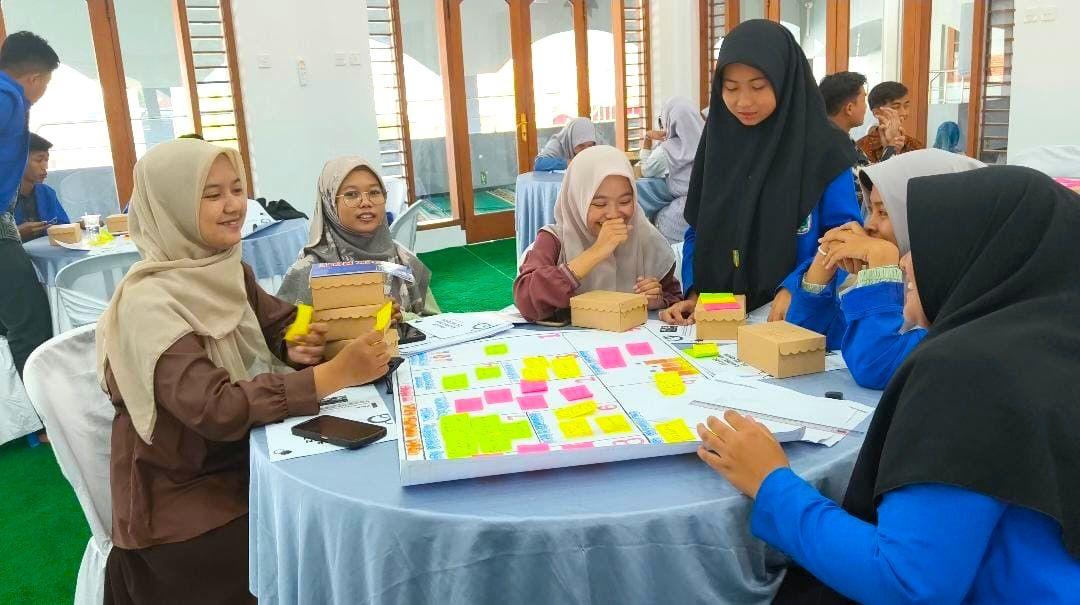
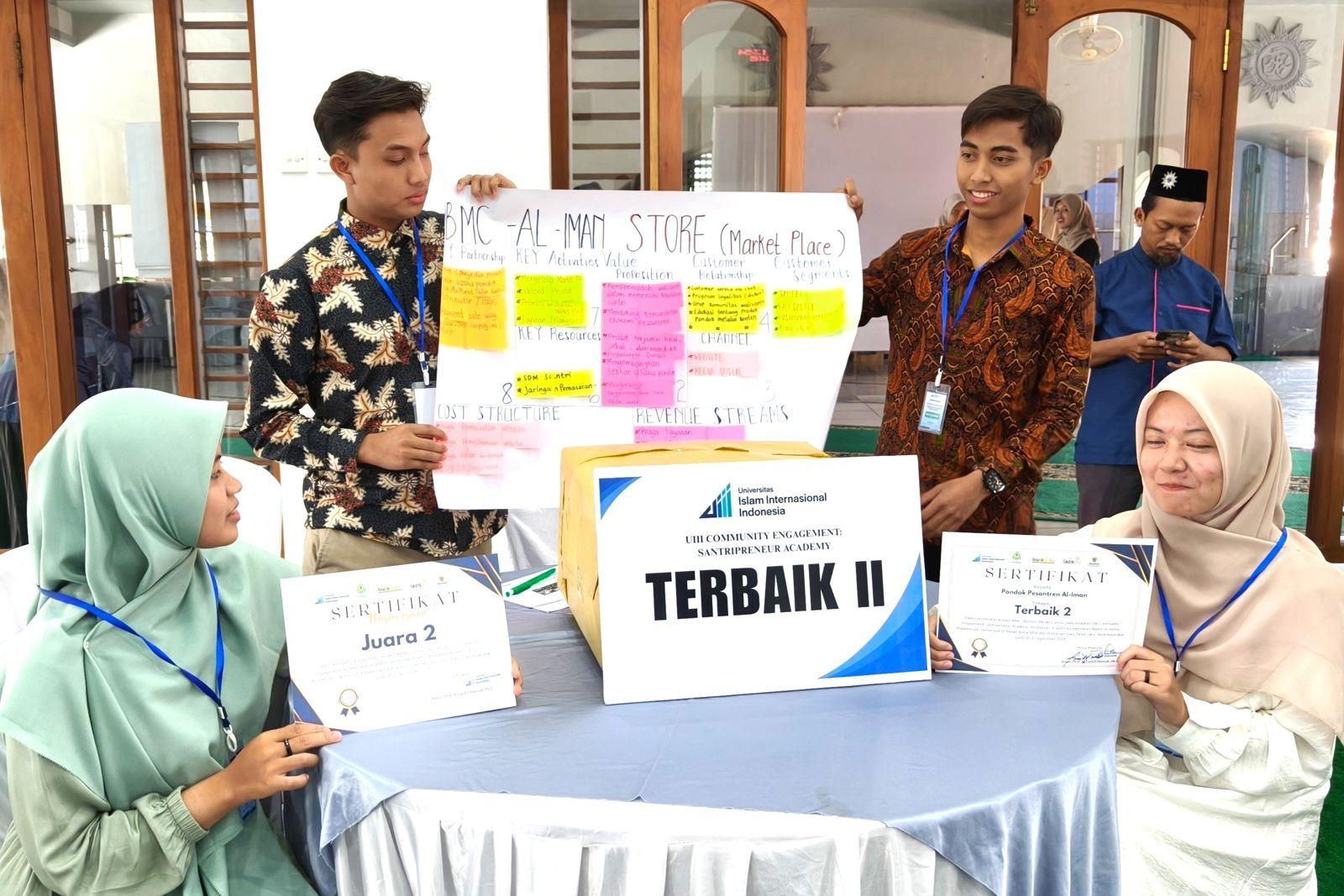
FEB UIII held SantriPreneur Academy at Baitul Mukhlisin Mosque, Ponorogo, on 26–27 September 2025. Initiated by Assoc. Prof. M. Luthfi Hamidi, the programme engaged santri from seven pesantren across Madiun–Ponorogo. Partners included UIN Kiai Ageng Muhammad Besari Ponorogo and BankZISKA, with support from BAZNAS Ponorogo.
Interactive seminars and workshops covered financial literacy, micro-business management, Islamic philanthropy, and social enterprise. Participants developed business ideas using the Business Model Canvas and presented group proposals for feedback. Seven groups produced proposals evaluated for creativity, feasibility, social impact, and relevance to their pesantren.
4.2 Learning outcomes and SDG relevance
Participants practised turning ideas into structured business models. This supports SDG 4 Quality Education through applied skills, SDG 8 Decent Work and Economic Growth through entrepreneurship education, and SDG 1 No Poverty through learning about inclusive financing and opportunities for economic self-reliance.
5. Community Based STEM Learning with Depok Teachers
5.1 STEM Trails with socio-scientific issues
On 25 July 2025, UIII's Faculty of Education hosted STEM Trails with Socio-Scientific Issues for mathematics teachers in Depok. Dr. Destina Wahyu Winarti led the Depok session with UNNES, Universitas Syiah Kuala, and the Math Trails Lab community through Riset Kolaborasi Indonesia.
Teachers used MathCityMap to explore mathematical tasks in outdoor spaces and design activities around local social issues. They completed trails themselves, discussing and checking solutions together. Participation included teachers from SMAIT Al Haraki and SMP Pesantren Cendekia Amanah.
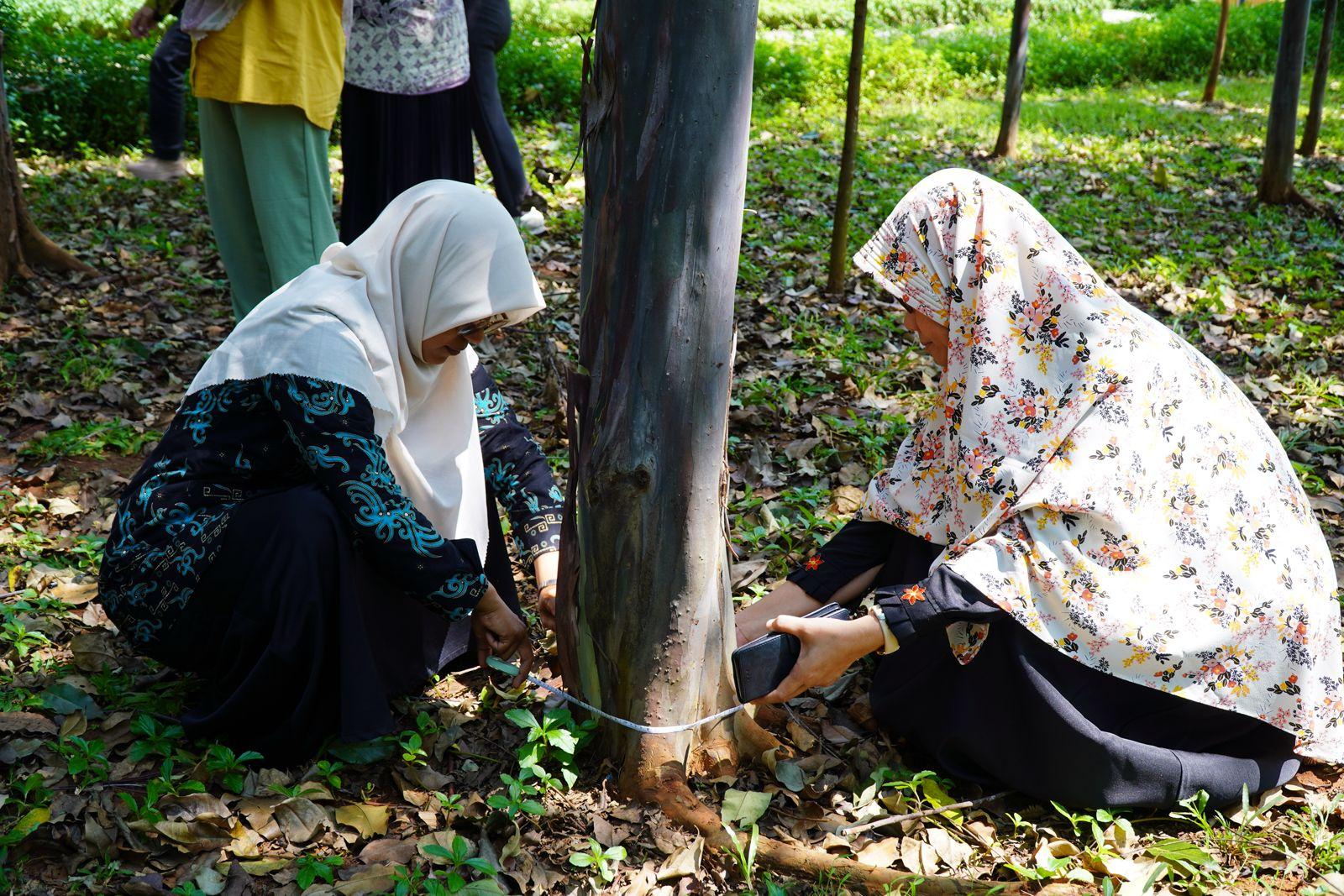
Image 5.1 and 5.2. Teachers undertaking outdoor mathematical inquiry.
5.2 Learning outcomes and SDG relevance
The workshop developed teachers' capacity to connect mathematics with community contexts. It supports SDG 4 Quality Education by strengthening inquiry-based teaching and making learning relevant to learners' surroundings. Its contribution to education for sustainable development is the ability to investigate real community questions through evidence, problem-solving, and collaborative learning.
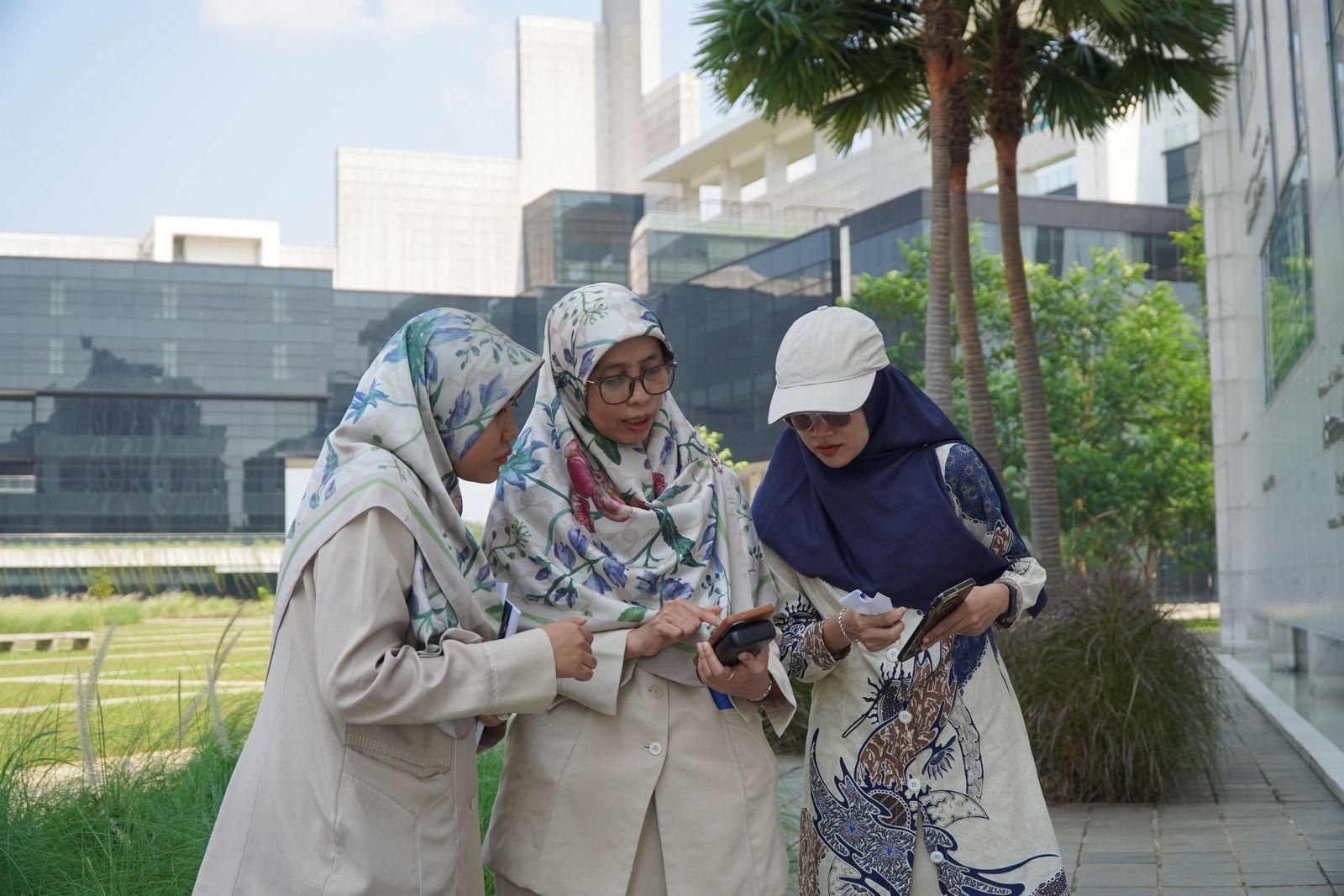
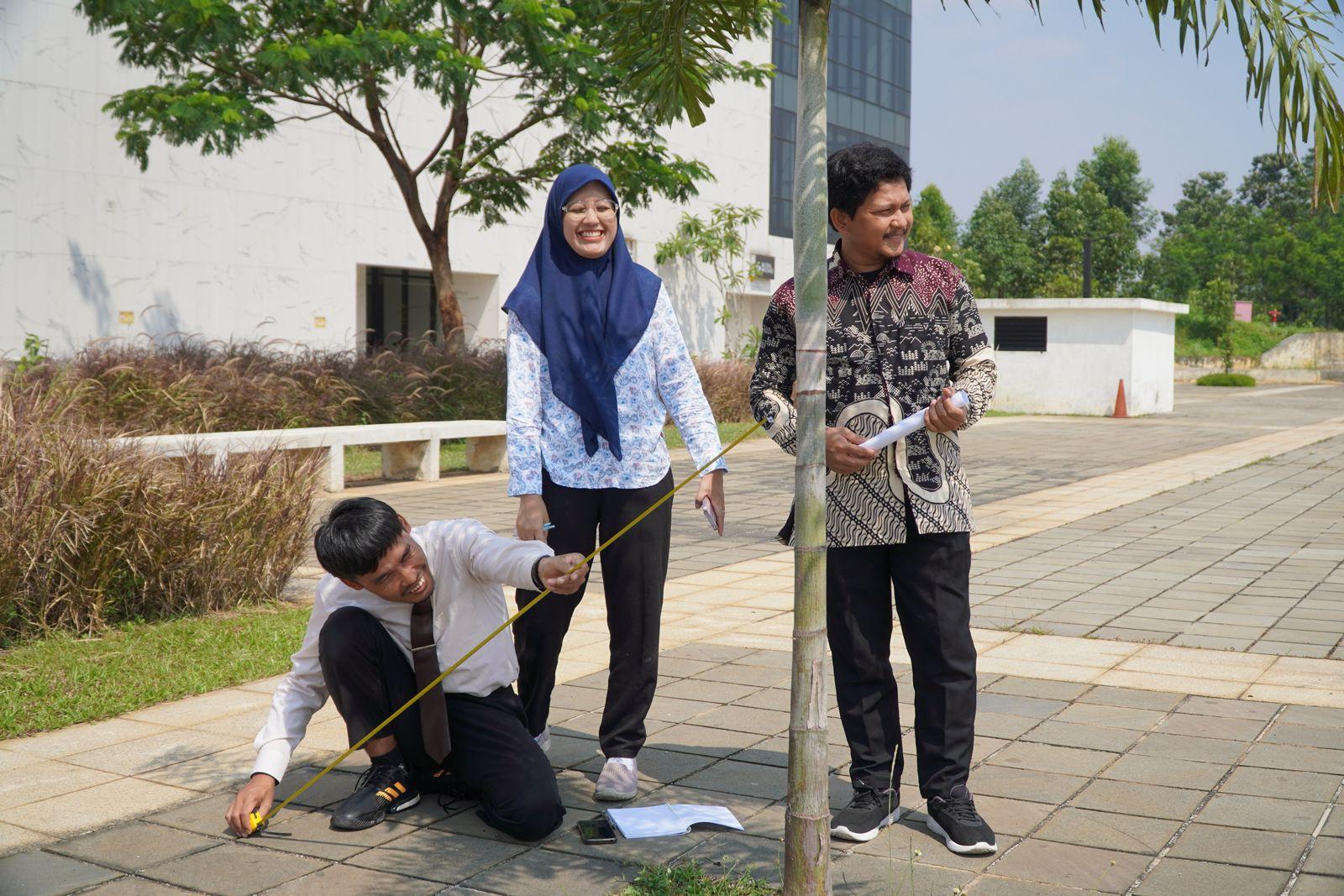
Image 5.3 and 5.4. Collaborative use of digital tools in the STEM Trails workshop.
References
- Universitas Islam Internasional Indonesia. Rector's Decision No. 62/R/2025 concerning Recipients of Community Engagement Funding Assistance at UIII for Fiscal Year 2025. 6 August 2025. Annex, programme entries 1, 4, 5, and 14.
- Jatnika, Achmad. UIII Initiated 15 Community Engagement Collaborative Projects This Year. UIII official news, 12 August 2025. Photograph credited to Achmad Jatnika.
- Universitas Islam Internasional Indonesia. FEB UIII Empowers Youth to Link Emotions, Money, and the Environment Through Ecological Finance Psychology. UIII official news, 17 November 2025. Programme photographs reproduced from the article.
- Marwal, Ilyas, and team. From Eco-Technology to Eco-Theology: Diverse Innovations in Advancing Green Islam in Indonesian Pesantren. Final community engagement report, UIII, 2025. Team listed in the report: Ilyas Marwal, Bhirawa Anoraga, Rifqi Favian, and Aufa Varrassyah Nawwaf. Programme implementation and learning content, pp. 12–18; photographs, pp. 22–24; conclusions and recommendations, pp. 26–27.
- Supriyono. Stories That Shape Values: UIII Workshop Train Parents to Become Storytellers. UIII official news, 3 October 2025. Photographs credited to Virda Lalitya Umam. The article describes the September–October workshop and mentorship schedule and reports participant manuscripts.
- Hartono, Haryani S.; Amin, Abdul K.; Hagabean, Ananta; and Hamidi, M. Luthfi. FEB UIII Launches SantriPreneur Academy to Nurture Islamic Social Entrepreneurs. UIII official news, 13 October 2025. Programme photographs reproduced from the article.
- Supriyono. Math Meets Adventure: Teachers Turn into Math Explorers at STEM Trails Workshop at UIII. UIII official news, 15 August 2025. Photographs credited to Virda Lalitya Umam.
- Centre for Research on Math Trails with Digital Technology. Projects: STEM Trails with Socio-scientific Issues, 2025. Project listing identifies the UNNES, USK, and UIII collaboration supported by RKI PTNBH.