

SDG 14 Report: Life Below Water
Universitas Islam Internasional Indonesia (UIII) · Reporting period: 2025
Publish progress against SDG 14, either individually or within an annual report.
Separate report
Water that leaves a campus through its drains, effluent and waste streams eventually reaches rivers and, ultimately, the sea. Universitas Islam Internasional Indonesia (UIII) therefore treats the protection of water quality and aquatic habitats as part of responsible campus management. This report presents UIII’s contribution to SDG 14 (Life Below Water), in particular target 14.1 on preventing and significantly reducing pollution from land-based activities.
These measures are supported by Rector Regulation No. 26 of 2023 on Environmentally Friendly Campus Management and Rector Regulation No. 27 of 2023 on Green Building Implementation, which require the conservation of water resources through technological, vegetative and land-use management approaches. UIII’s sustainability performance was first assessed in the 2026 UI GreenMetric World University Rankings, where it placed 121st in Indonesia and 1,131st globally.
Treating wastewater before it is discharged.
Keeping pollutants out of the drainage and stormwater system.
Reducing plastic and managing hazardous waste so neither contaminates water.
Maintaining retention ponds, the lake and landscape ponds as aquatic habitats.
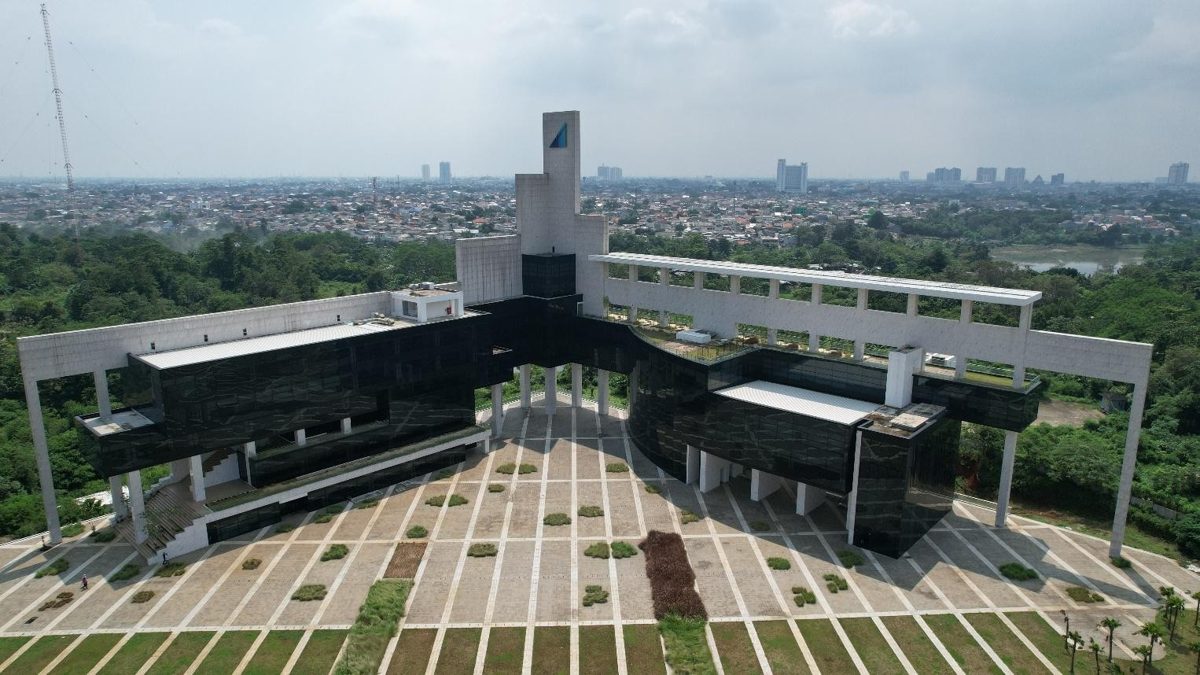
SDG 14 Performance at a Glance
| Indicator | UIII result |
|---|---|
| Retention ponds (Rectorate, Mosque, Dormitory areas) | 3 ponds, 14,300 m², 35,750,000 L capacity |
| Water absorption area (besides forest and planted vegetation) | 332,690 m² (23.27% of campus area) |
| Sewage treatment plant (STP) monitoring | Monthly |
| Drainage channel inspection and maintenance | Quarterly |
| Plastic consumption | 0.045775 → 0.025325 t (−44.7%) |
| Plastic cup consumption | 0.022275 → 0.003825 t (−82.8%) |
| Hazardous (B3) waste generated | 0.066 → 0.047 t (−28.8%) |
| Hazardous waste transferred to licensed management | 0.0376 t (80.0% of generated) |
Table 1. Key indicators for water pollution control and aquatic ecosystem protection.
1. Preventing Water Pollution at the Source
Wastewater Treatment
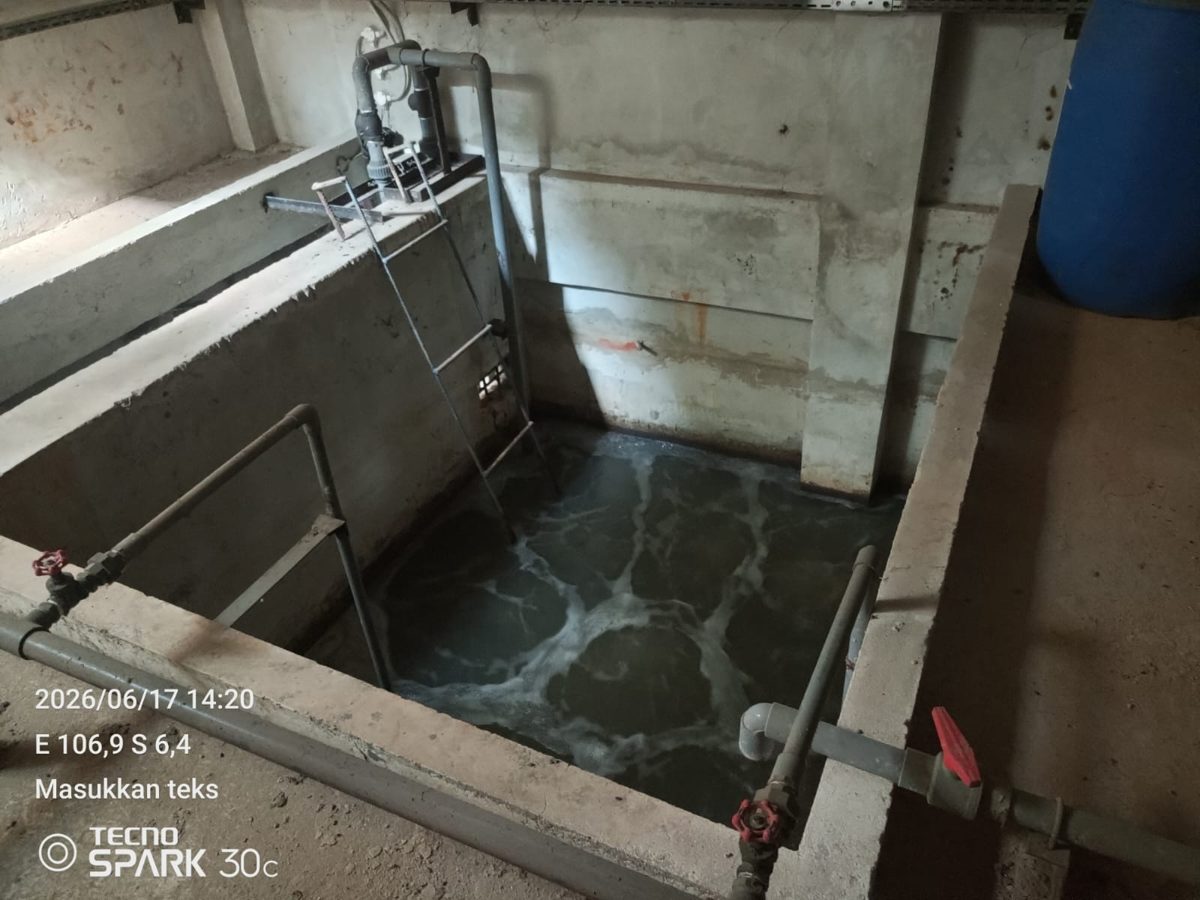
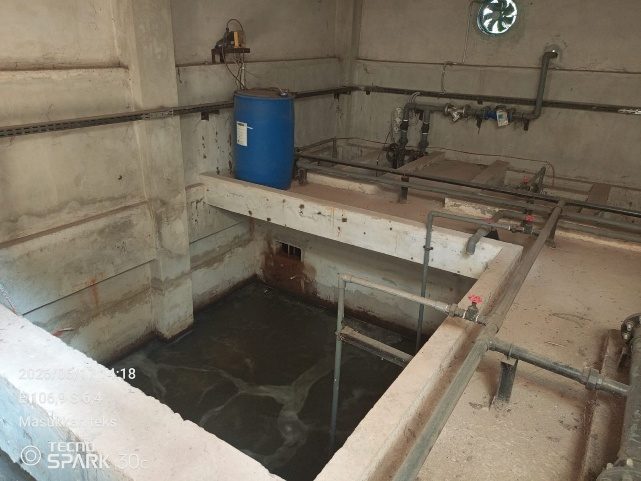
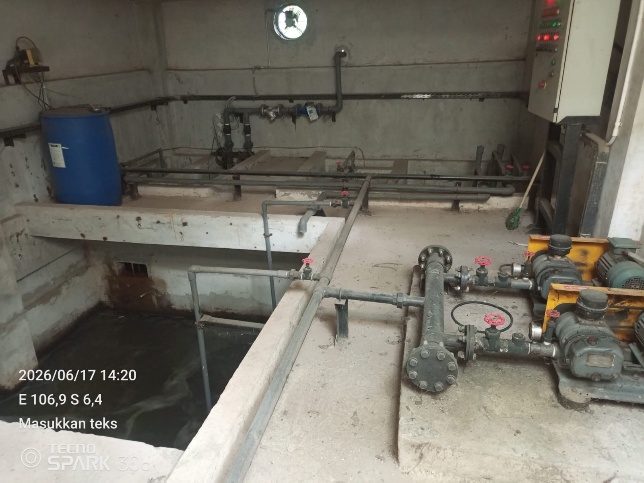
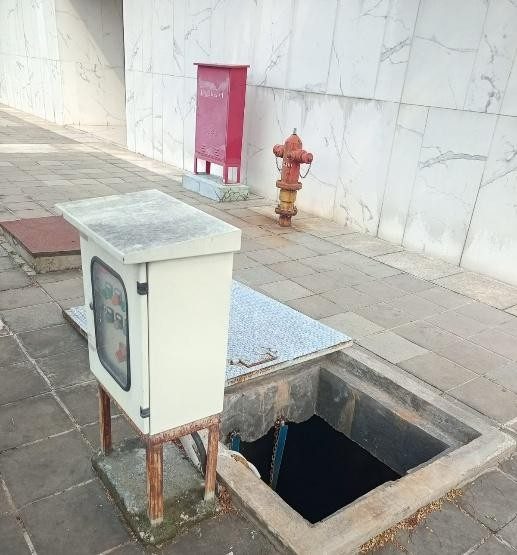
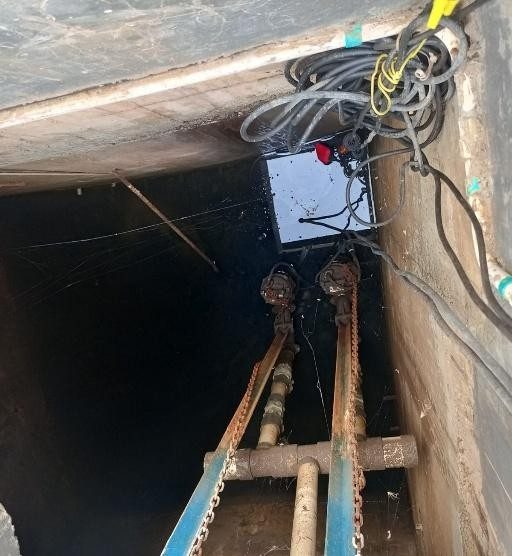
Domestic wastewater from toilets, bathrooms, kitchen facilities and building cleaning is collected through a dedicated piping network and conveyed to Sewage Treatment Plants (STP) using the Extended Aeration system, installed across the campus buildings. Treating wastewater on site reduces the risk of soil and water contamination and minimises the discharge of untreated wastewater. The treated effluent flows into the campus drainage network leading to the retention ponds, and a portion is reused for landscape irrigation.
Regular Monitoring and Maintenance of the STP
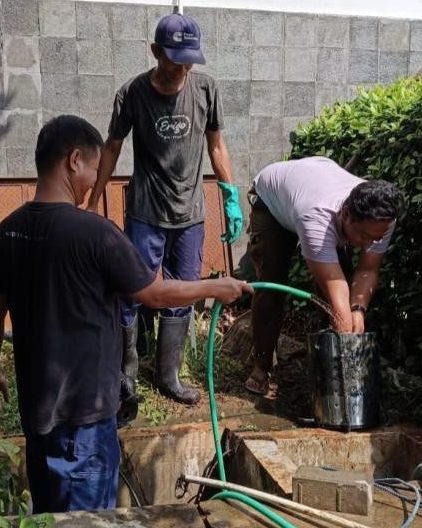
UIII monitors its STP every month to confirm that water quality improves before the effluent enters the drainage system and retention ponds. The STP are also maintained periodically, including cleaning of equipment and monitoring of system performance.
Drainage Inspection and Maintenance
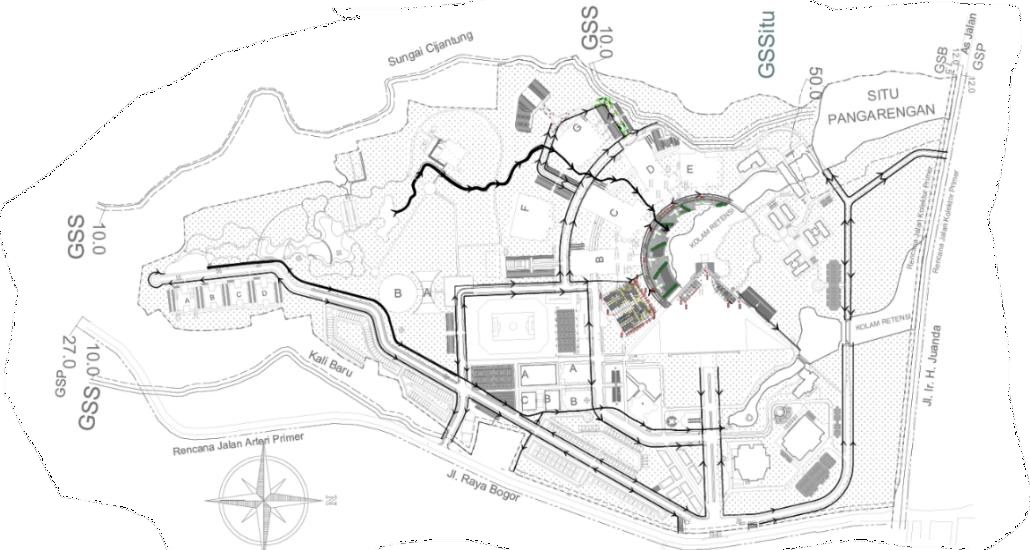
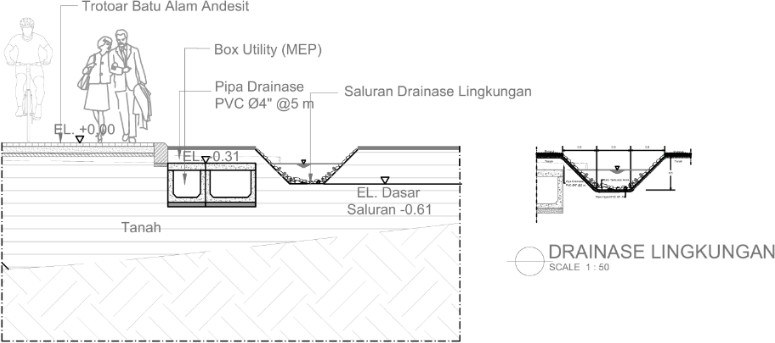
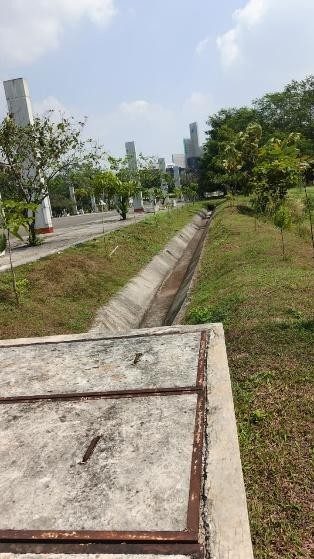
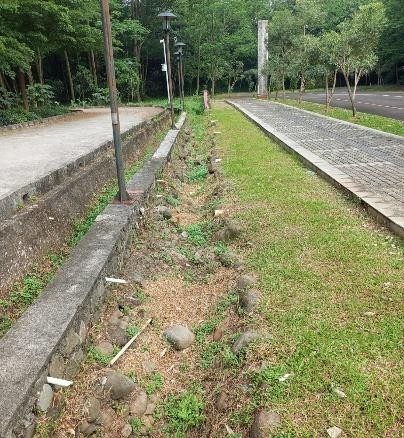
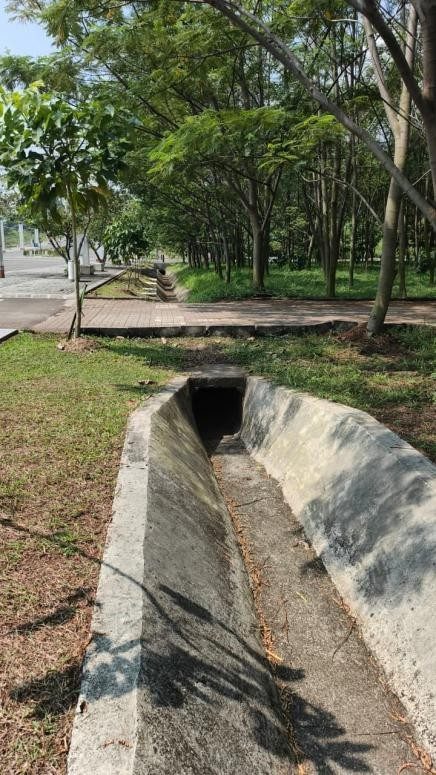
Drainage channels are inspected and maintained every quarter to prevent blockages from solid waste and sediment, keeping water flowing and reducing the risk of polluted runoff reaching the retention ponds.
Awareness and Pollution Prevention
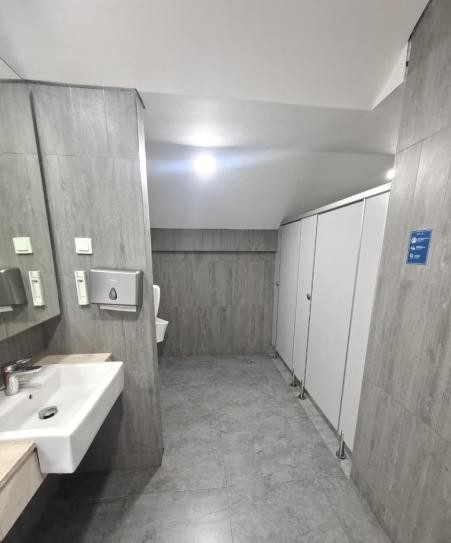
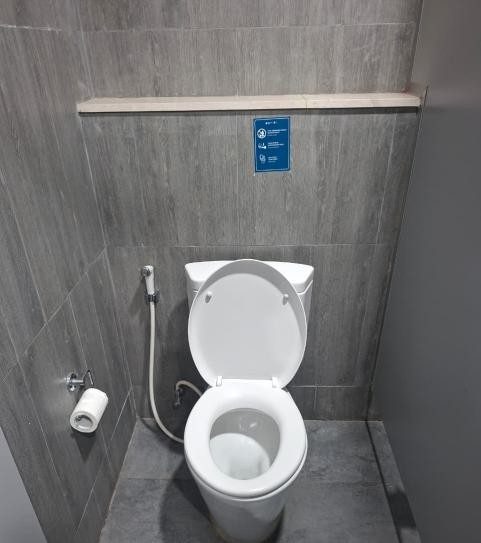
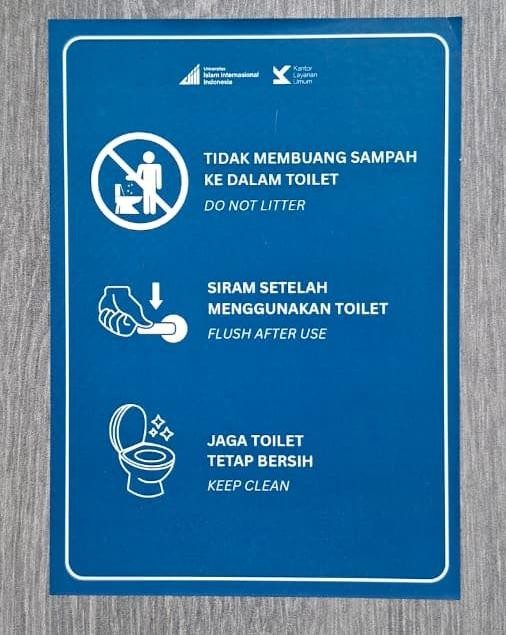
Environmental signage in campus toilets reminds users not to throw waste into toilets, to flush after use and to keep the facilities clean, helping keep solid waste out of the wastewater system.
2. Stormwater Management and Retention Ponds
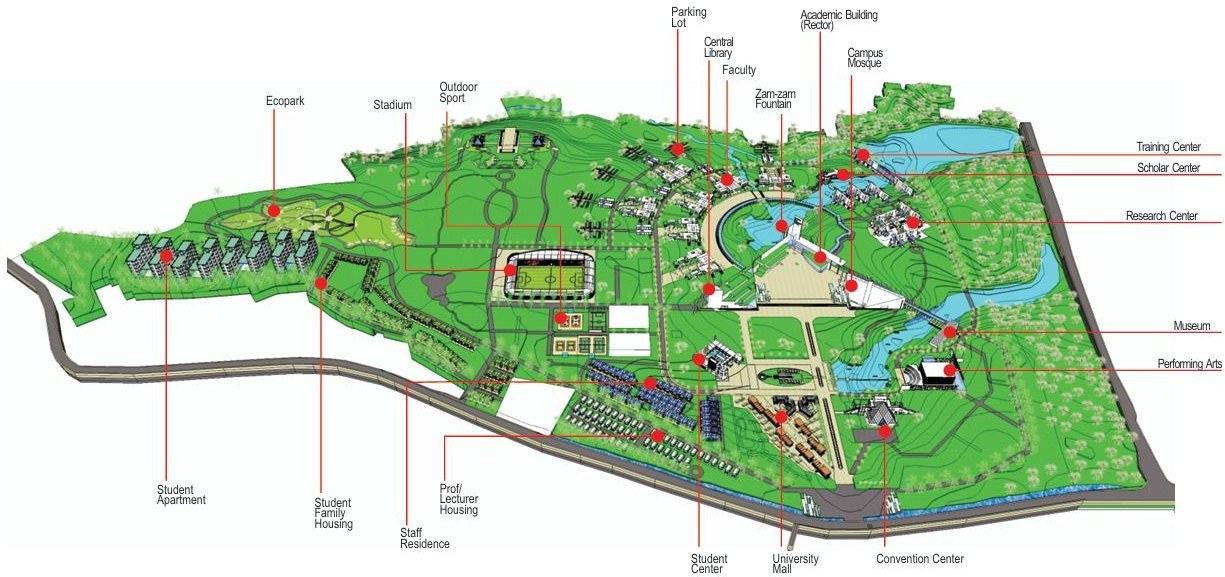
More than 80% of the UIII campus consists of green open space, which acts as a natural infiltration zone that supports groundwater recharge and reduces runoff. UIII applies a Zero Runoff Principle: green open spaces, infiltration areas, drainage networks and retention ponds work together so that stormwater is retained and gradually absorbed into the ground or used within the campus water system.
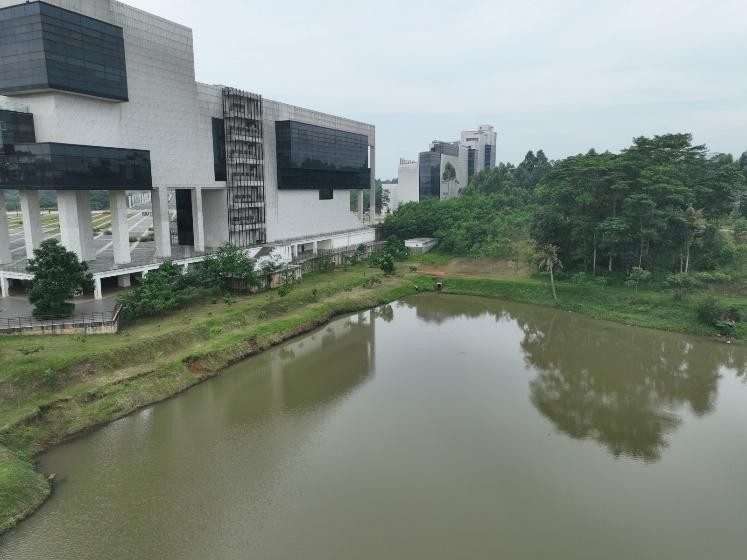
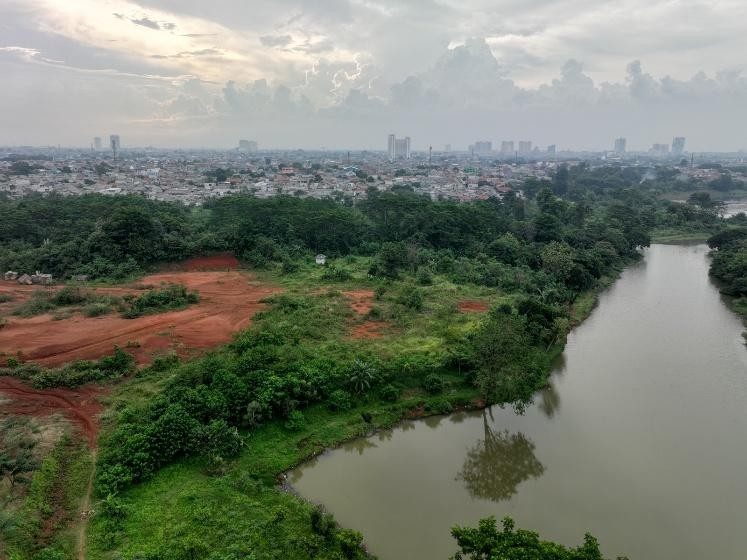
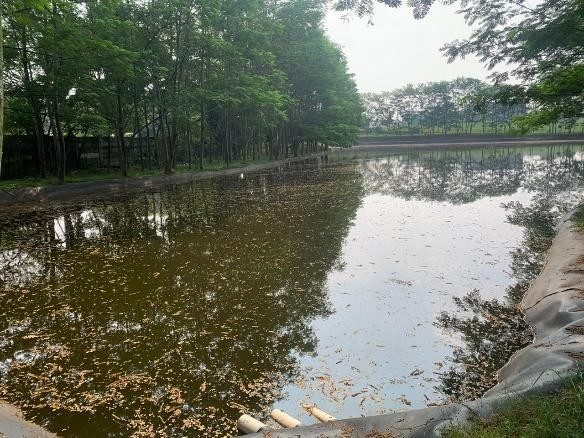
The stormwater drainage system conveys runoff from buildings, roads and open spaces to three retention ponds in the Rectorate Area, the University Mosque Area and the Dormitory Area, where water is stored temporarily, regulated and allowed to infiltrate, reducing surface runoff and flood risk.
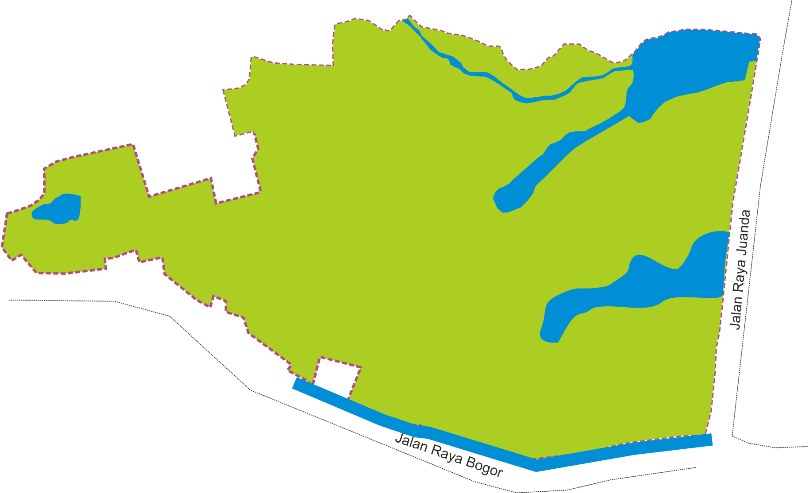
| Location | Number of retention ponds | Area (m²) | Average depth (m) | Capacity (litres) |
|---|---|---|---|---|
| UIII campus | 3 | 14,300 | 2.5 | 35,750,000 |
Table 2. Retention ponds on the UIII campus. Capacity = 14,300 m² × 2.5 m = 35,750 m³ = 35,750,000 litres.
Water Absorption Areas
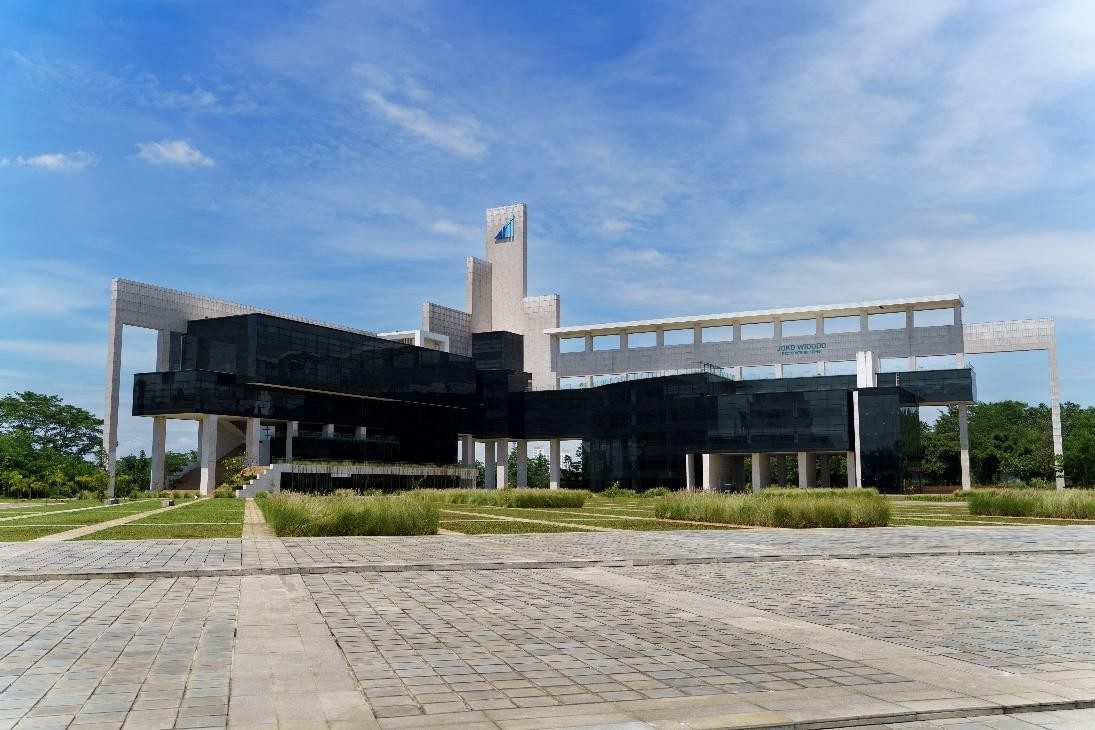
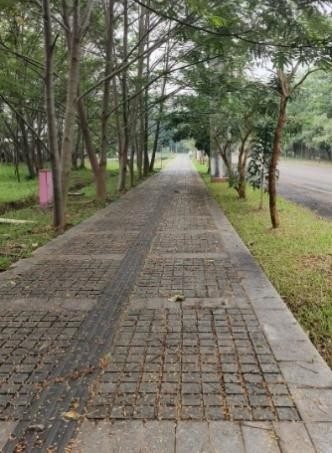
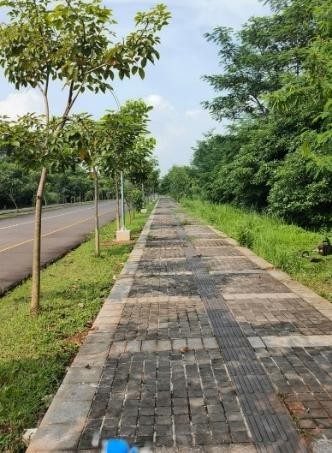
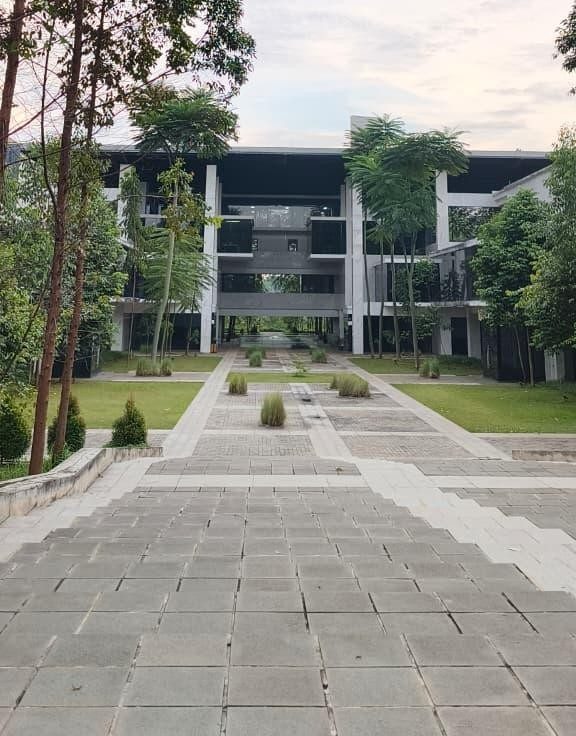
In addition to forest and planted vegetation, UIII provides infiltration areas — around the retention ponds, open spaces, and surfaces paved with porous blocks or left uncovered — that let rainwater soak into the ground.
| Type of area | Area (m²) |
|---|---|
| Retention areas (Rectorate, University Mosque and Dormitory Area retention ponds) | 14,300 |
| Open spaces used as infiltration areas, and other infiltration areas | 318,390 |
| Total water absorption area (besides forest and planted vegetation) | 332,690 |
| Total campus area | 1,430,000 |
| Water absorption area as a share of campus area | 23.27% |
Table 3. Campus area available for water absorption. Percentage = 332,690 m² ÷ 1,430,000 m².
3. Water Reuse and Efficiency
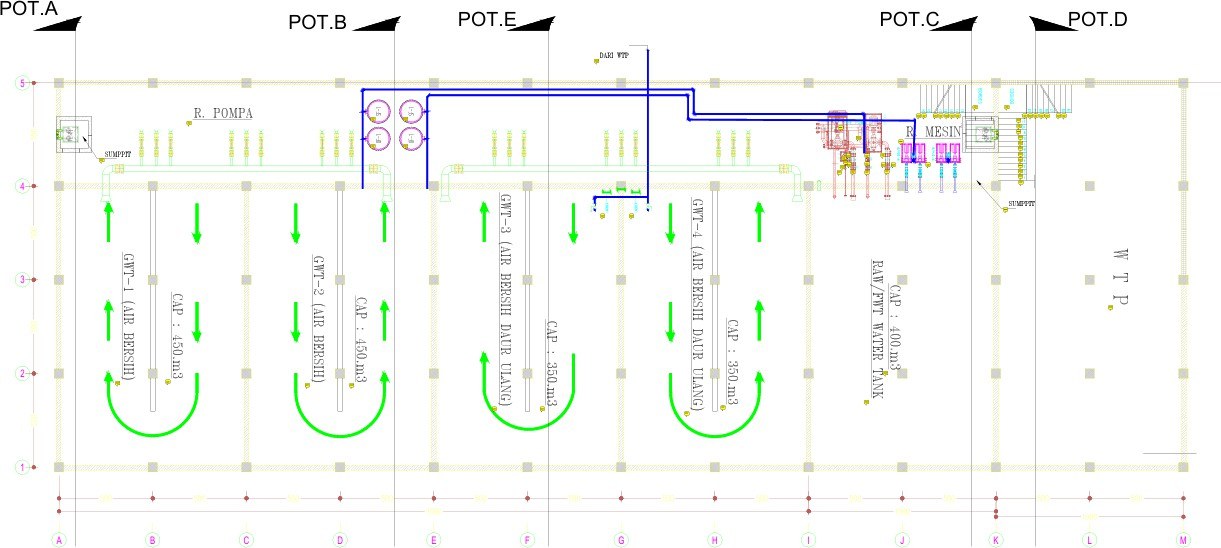
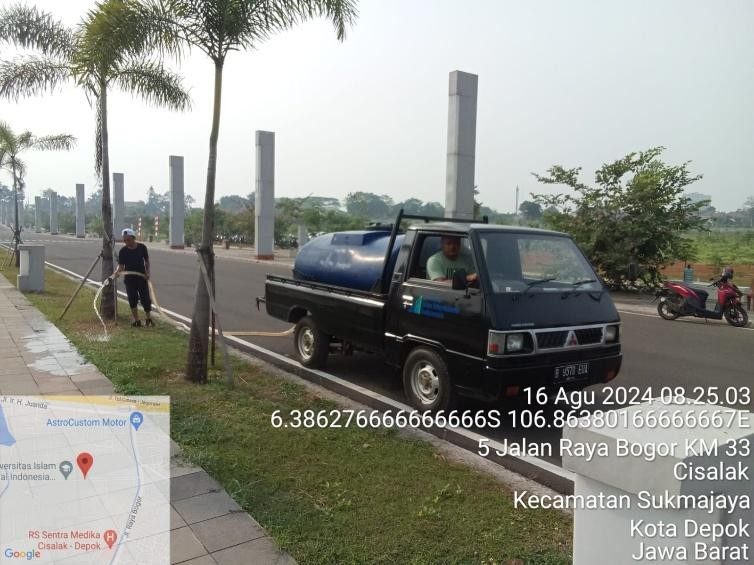
Water collected in the retention ponds is pumped to the Ground Water Tank (GWT). Together with the Water Treatment Plant (WTP), the GWT stores, treats and distributes water for non-potable uses — landscape irrigation, toilet flushing and cleaning of buildings and outdoor areas — lowering dependence on freshwater sources.
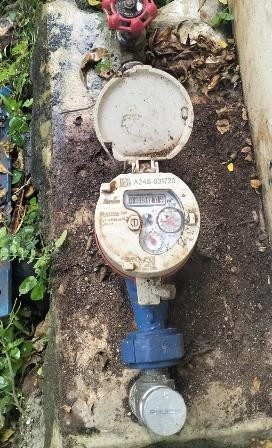
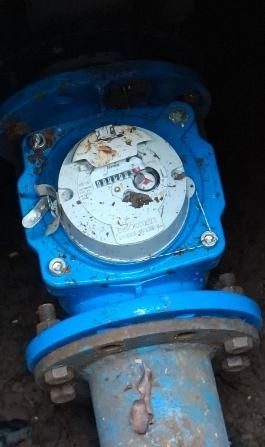
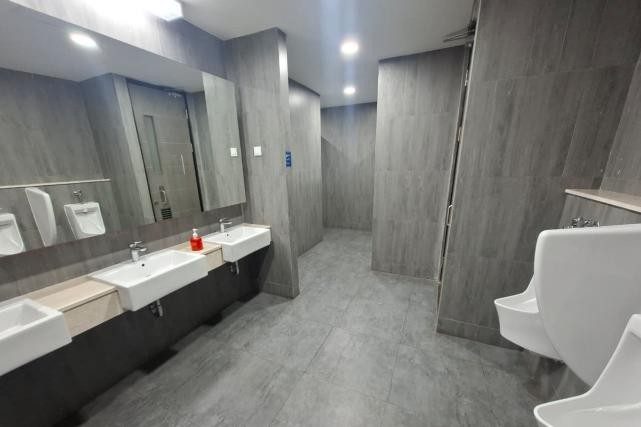
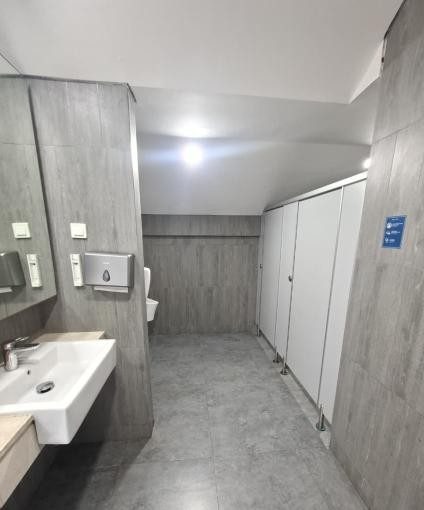
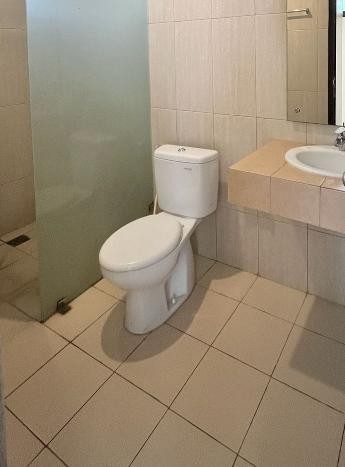
UIII also reduces water demand, and therefore wastewater, through water-saving equipment: push-operated taps that stop automatically, eco-flush toilets and urinals, and water meters to monitor consumption.
4. Keeping Plastic and Hazardous Waste Out of Water
Reducing Single-use Plastics
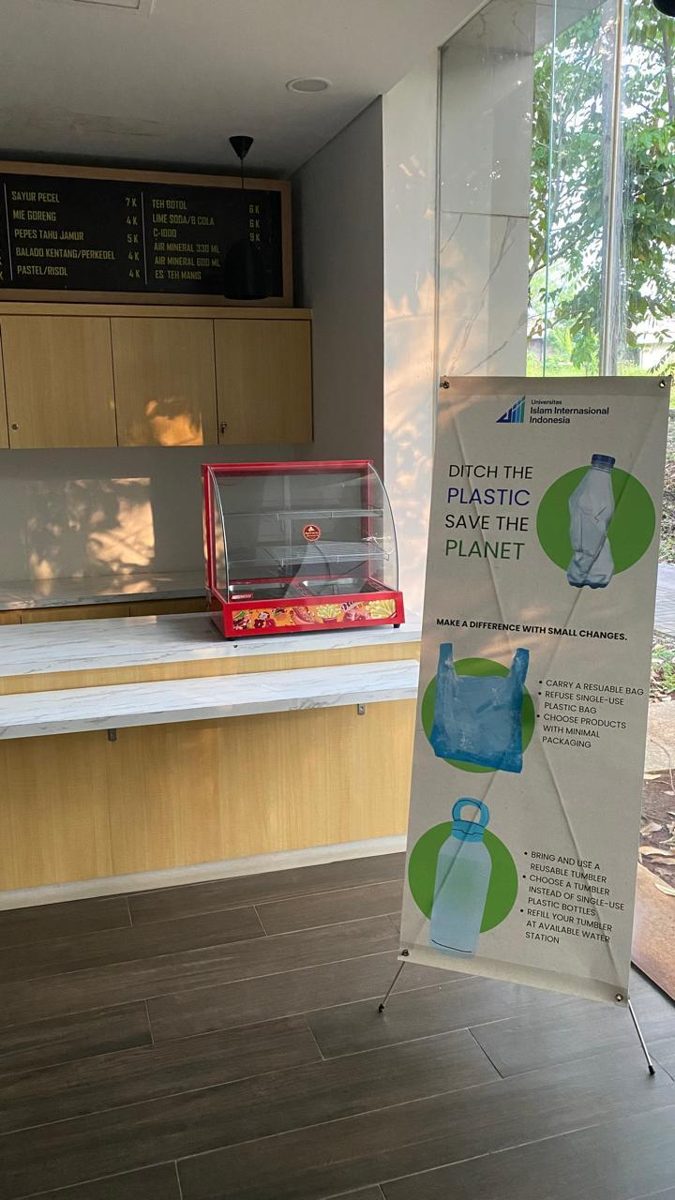
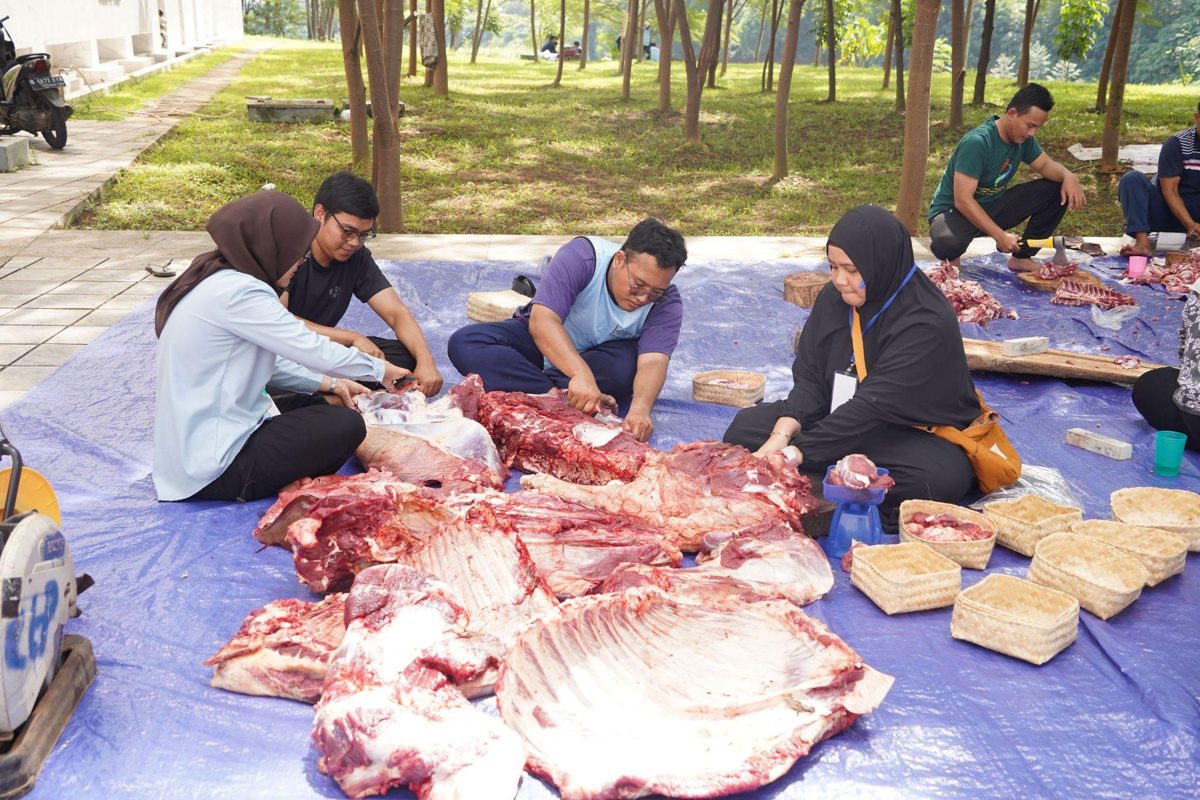
Plastic that is not collected can end up in drains, rivers and eventually the sea. UIII reduces plastic waste at source by encouraging reusable tumblers, water bottles and shopping bags, supported by awareness campaigns in campus facilities such as the canteen. During Eid al-Adha, UIII replaced plastic bags for Qurban meat distribution with woven bamboo baskets (besek).
| Plastic item | Previous year (t) | Current year (t) | Reduction (t) |
|---|---|---|---|
| Plastic (total) | 0.045775 | 0.025325 | 0.020450 |
| Plastic cup (225 g) | 0.022275 | 0.003825 | 0.018450 |
| Plastic trash bag (500 g) | 0.023500 | 0.021500 | 0.002000 |
Table 4. Plastic consumption, previous year versus current year (tonnes).
Plastic consumption fell by 44.7%, with plastic cups down 82.8%.
Safe Management of Hazardous Waste
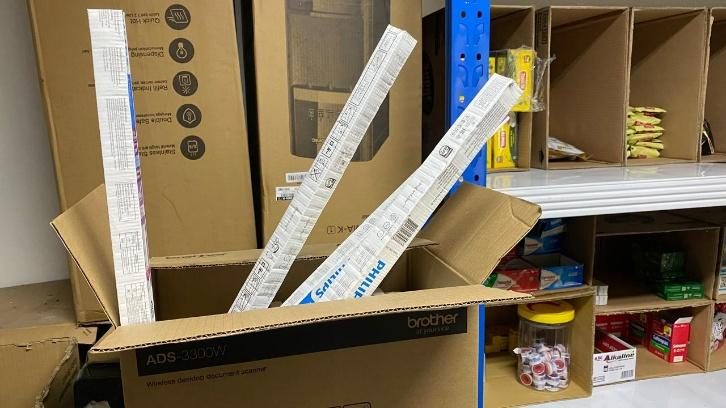
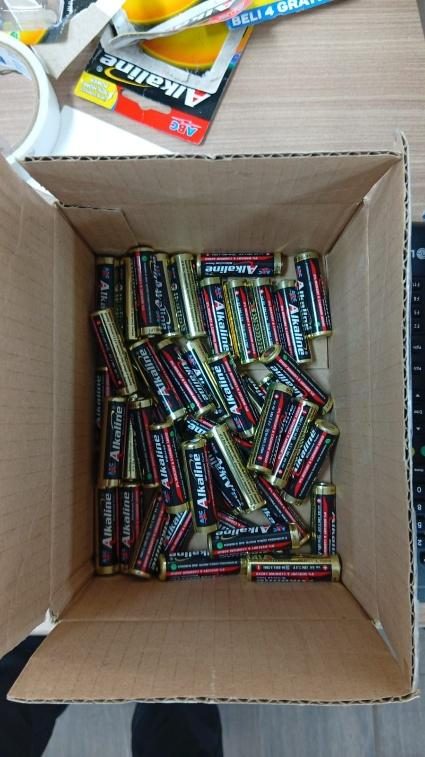
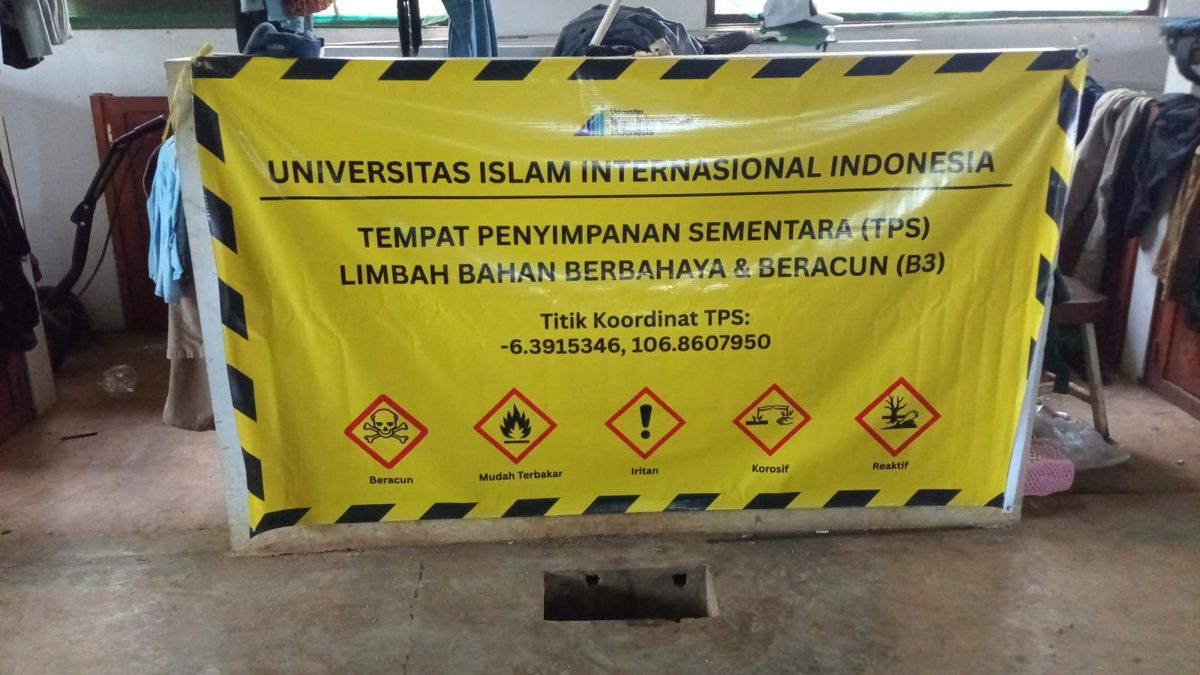
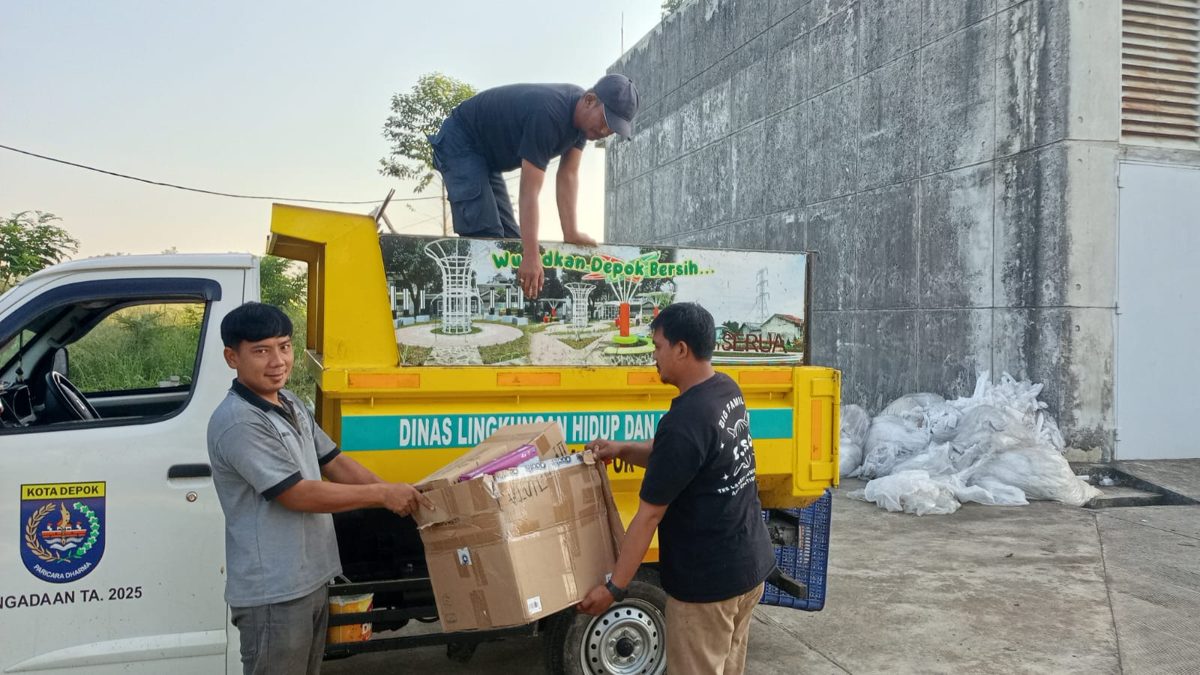
UIII does not treat or dispose of hazardous waste (B3) on campus. Used batteries, fluorescent lamps, LED bulbs, electrical cables and other hazardous items are kept separate and stored in a Temporary Hazardous Waste Storage Facility designed to prevent environmental contamination, then transferred to licensed services through collaboration with DLHK Kota Depok.
| Type of waste | Previous year (t) | Current year (t) | Reduction (t) | Transferred to licensed management (t) | Held in temporary storage (t) |
|---|---|---|---|---|---|
| Hazardous (B3) waste, total | 0.066 | 0.047 | 0.019 | 0.0376 | 0.0094 |
| Batteries | 0.006 | 0.005 | 0.001 | 0.0046 | 0.0004 |
| Lamps | 0.060 | 0.042 | 0.018 | 0.0330 | 0.0090 |
Table 5. Hazardous (B3) waste produced and managed (tonnes).
Hazardous waste fell by 28.8%; 80.0% was transferred to licensed services and 20.0% was held safely pending the next scheduled collection.
5. Protecting and Maintaining Local Aquatic Ecosystems
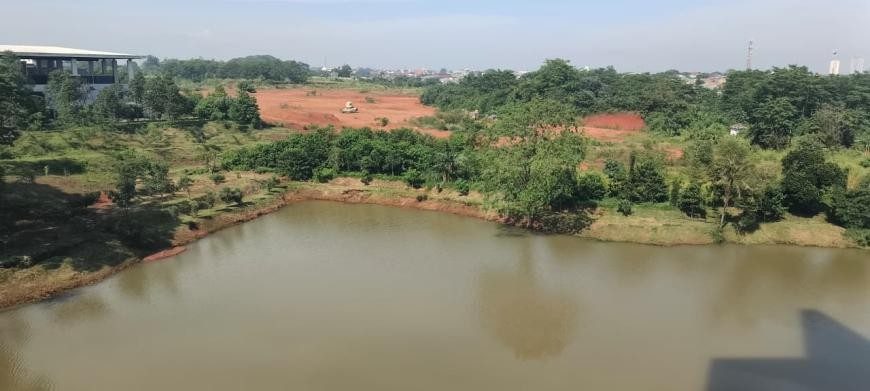
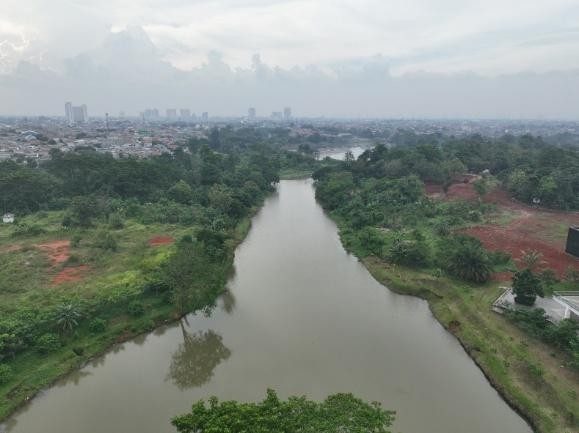
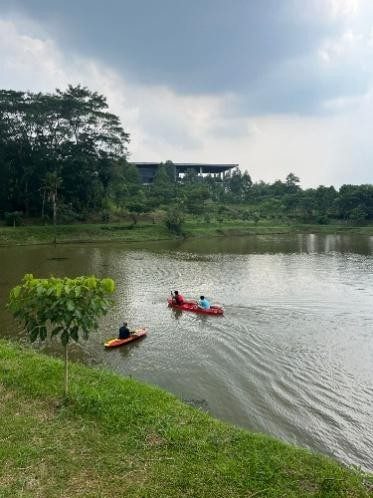
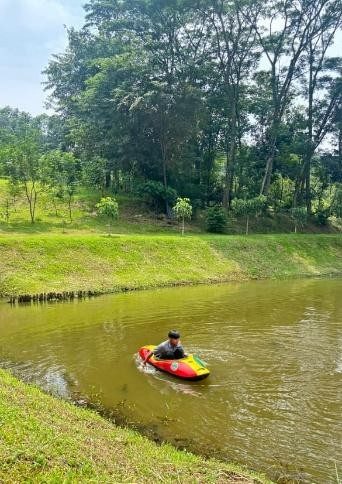
The campus lake, water infiltration areas and landscape ponds serve as both aquatic ecosystems and green infrastructure. UIII maintains them through water quality upkeep, protection of riparian vegetation, erosion control, regular removal of waste and litter, and continuous monitoring of the aquatic ecosystem.
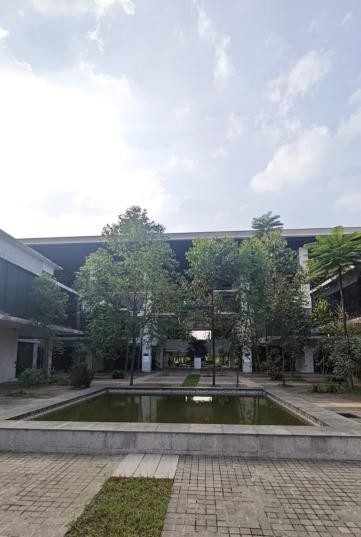
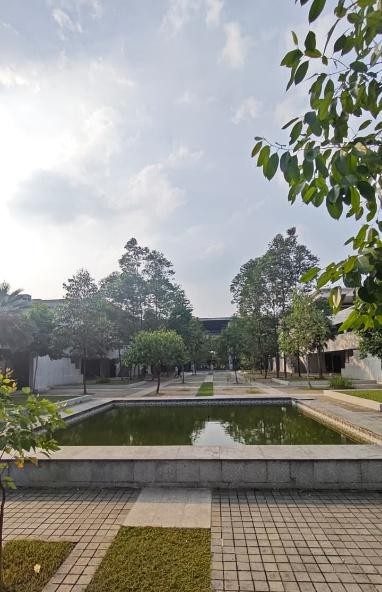
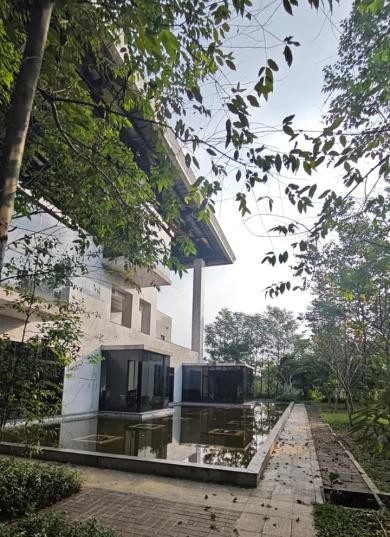
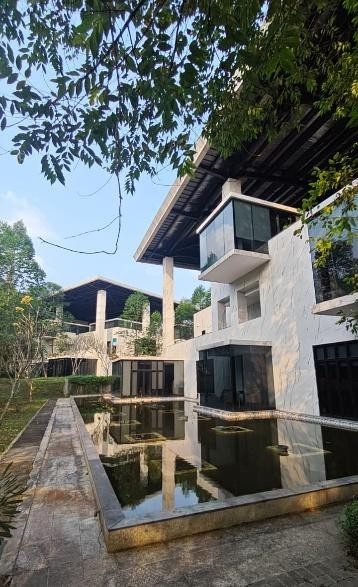
Landscape Pond
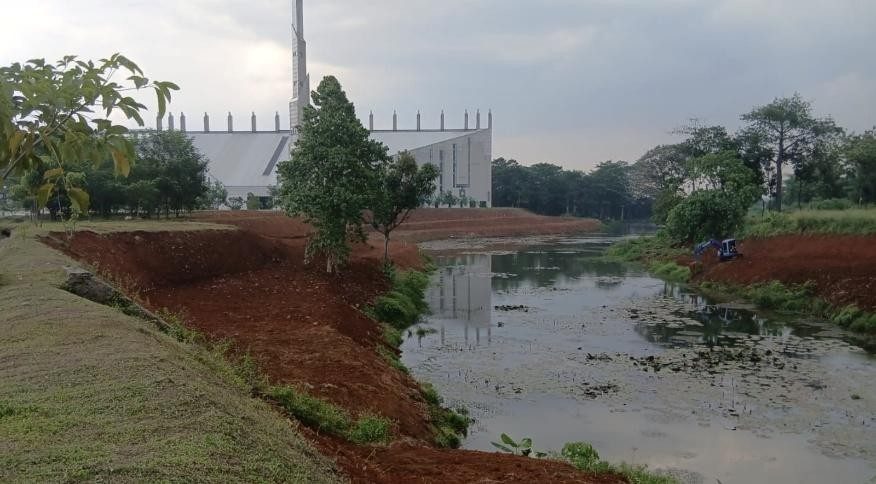
The landscape pond in the faculty building area provides a suitable environment for fish and other aquatic life, creates a favourable microclimate for surrounding vegetation and serves as a water source for birds and insects.
Community Cleanup along the Cijantung River
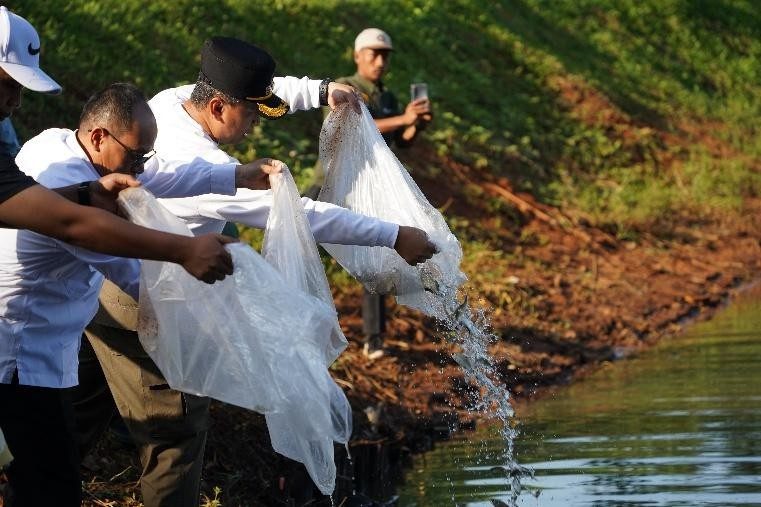
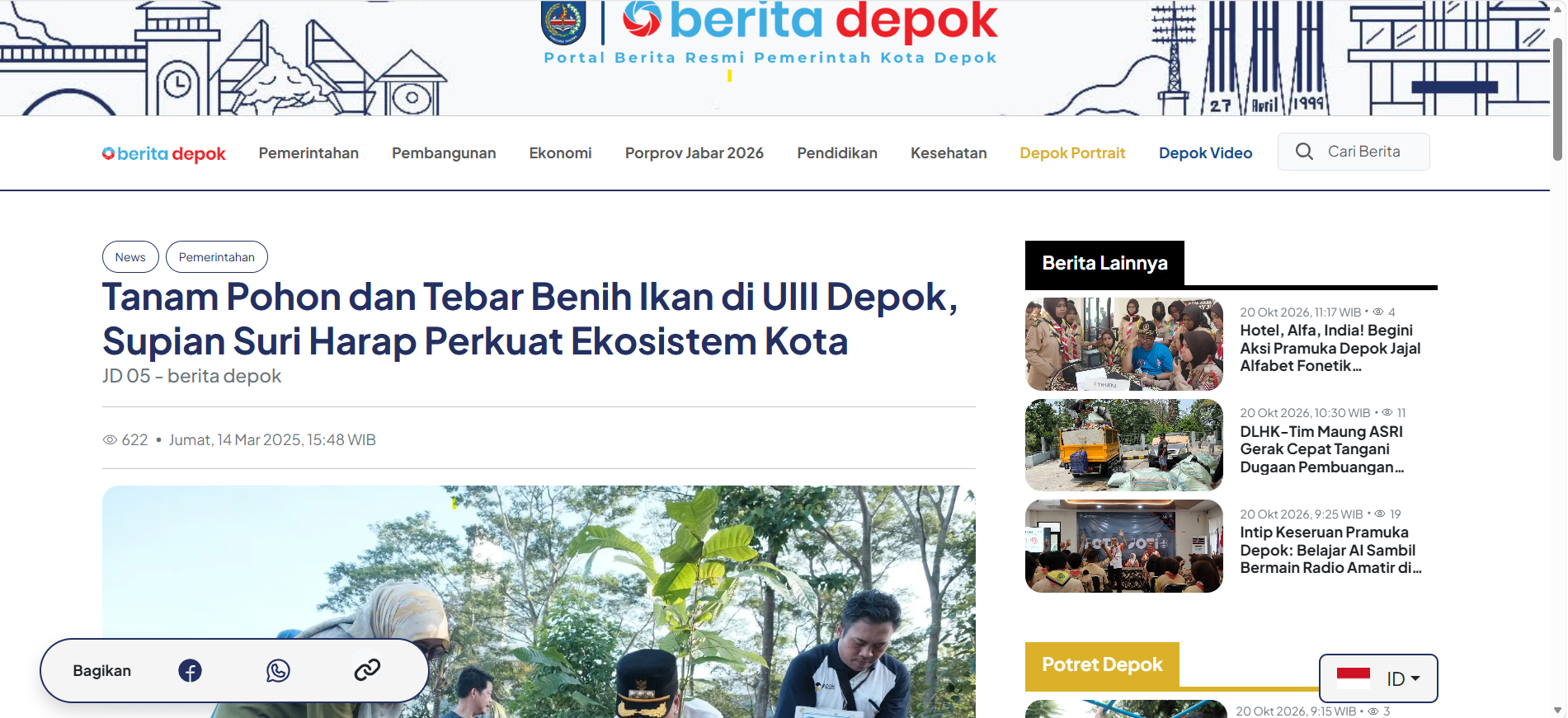
On 19 June 2026, UIII, the Baktijaya Village Administration and Sukmajaya District Office organised a community cleanup and tree-planting programme along the banks of the Cijantung River and areas adjacent to the campus. Participants included village and district officials, neighbourhood leaders (RW and RT), community organisations, security personnel, UIII faculty and staff, and local residents. The partnership is expected to serve as a foundation for future cooperation on environmental management.
Aquatic and Wetland-associated Species
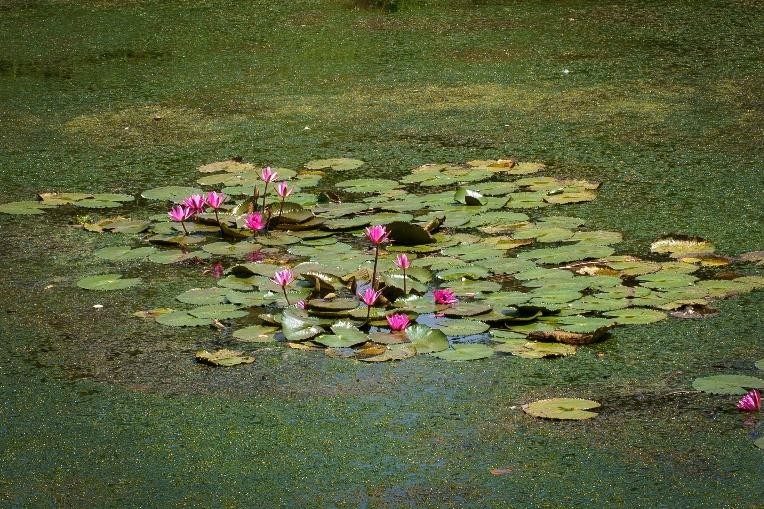
Periodic biodiversity monitoring on campus has recorded freshwater fish, frogs and dragonflies, and the flora inventory includes the water lily.
| Species / group | Taxonomic group | Observation status on campus |
|---|---|---|
| Freshwater fish | Aquatic organism | Observed in specific areas |
| Frog | Amphibian | Observed in specific areas |
| Dragonfly | Insect | Commonly observed |
| Water lily (Nymphaea rubra) | Aquatic plant | Identified in the campus flora inventory |
Table 6. Aquatic and wetland-associated species recorded on campus. Individual population counts are not available for free-ranging species.
6. Contribution to the SDGs and Way Forward
Key initiatives that help prevent land-based pollution from reaching water bodies and keep campus aquatic habitats healthy:
- On-site treatment of domestic wastewater in STP, with monthly monitoring and regular maintenance.
- An integrated drainage and stormwater system with three retention ponds, quarterly drainage maintenance and a Zero Runoff Principle.
- Water reuse for landscape irrigation, toilet flushing and cleaning, and water-saving fixtures.
- Reduction of single-use plastics, including reusable tumblers and bags and besek baskets for Qurban distribution.
- Safe segregation, storage and transfer of hazardous waste with DLHK Kota Depok.
- Maintenance of the campus lake, retention ponds and landscape pond as habitat for aquatic and wetland species.
- Community cleanup of the Cijantung River bank with village and district government and local residents (June 2026).
- Governance through Rector Regulations No. 26 and No. 27 of 2023.
These initiatives contribute directly to SDG 14 (Life Below Water) by reducing pollution from land-based activities. They also support SDG 6 (Clean Water and Sanitation), SDG 11 (Sustainable Cities and Communities), SDG 12 (Responsible Consumption and Production), SDG 13 (Climate Action), SDG 15 (Life on Land) and SDG 17 (Partnerships for the Goals) through the partnership with the Depok Environmental Agency.
UIII will continue to monitor its wastewater treatment and the condition of its ponds and lake, to reduce plastic and hazardous waste, and to strengthen collaboration with authorised partners to protect water quality.